Top 5 Toilet Flanges You Need to Know for Perfect Installations?
When it comes to toilet installations, understanding Toilet Flanges is crucial. A recent industry report highlighted that improper flange installation is a leading cause of leaks and water damage. In fact, over 30% of plumbing issues stem from these often-overlooked components. This highlights the need for knowledge and the right choices when selecting toilet flanges.
Toilet flanges serve as the vital connection between the toilet and the drain pipe. They ensure stability and prevent movement, which can lead to costly repairs. Choosing the correct flange affects not only the ease of installation but also the longevity of your plumbing system. However, many homeowners underestimate the importance of quality when selecting a flange, leading to frequent maintenance problems.
Many DIY enthusiasts may overlook the intricate details that contribute to a perfect installation. Understanding materials, styles, and installation methods is essential. The right toilet flange can make a significant difference, while the wrong one can create unnecessary complications. This article delves into the top five toilet flanges essential for reliable installations, helping you make informed decisions.
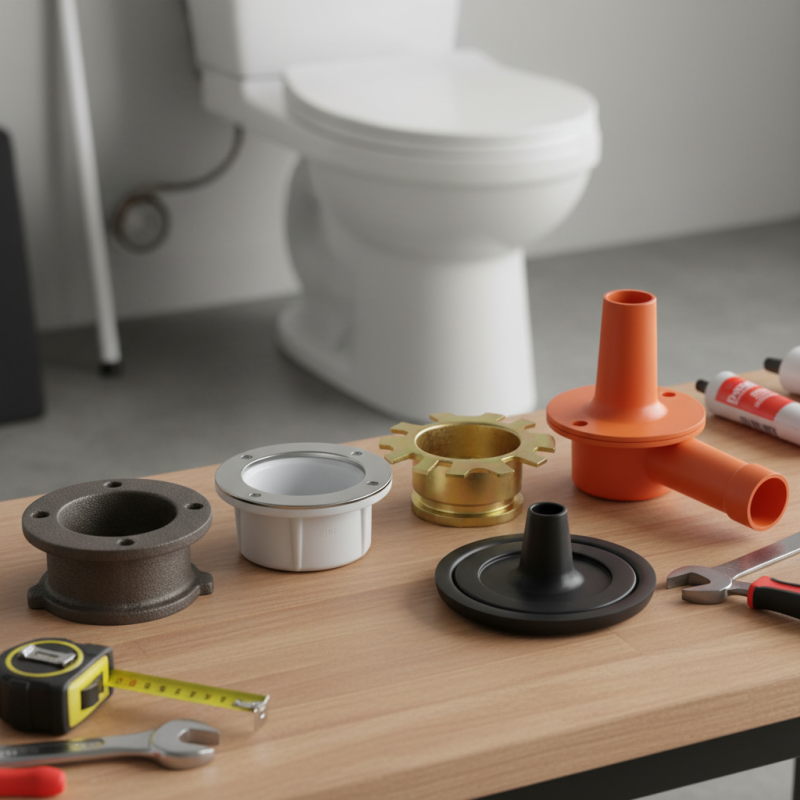
Understanding Toilet Flanges: The Essential Component for Installation
Toilet flanges serve as a vital link between the toilet and the drain pipe. Made from various materials, including PVC and metal, they provide stability and prevent leaks. Research indicates that improper installation can lead to significant issues, with repair costs sometimes exceeding $800. Understanding these components is essential for ensuring a proper fit and functionality.
One common oversight occurs during the installation process, where flanges are not adequately leveled. A misaligned flange can cause rocking, leading to repeated seal failure. Reports show that over 30% of toilet leaks can be traced back to flange-related issues. This emphasizes the need for careful measurements and adjustments before securing the flange.
Additionally, flanges must be compatible with the type of flooring in use. For instance, installing a flange on a soft surface like carpet could compromise its stability. Flanges should rest on a solid, level base to ensure longevity. Many installers often overlook this detail, which can prevent proper sealing. Reinforcing the importance of using high-quality materials cannot be overstated.
Top 5 Toilet Flanges You Need to Know for Perfect Installations
| Flange Type | Material | Height (inches) | Installation Ease | Durability Rating |
| PVC Flange | PVC | 4 | Easy | High |
| Cast Iron Flange | Cast Iron | 5 | Moderate | Very High |
| Wax Ring Flange | Wax | N/A | Easy | Moderate |
| Stainless Steel Flange | Stainless Steel | 4 | Moderate | Very High |
| Flange Adapter | PVC | 3 | Easy | High |
Types of Toilet Flanges: Choosing the Right One for Your Needs
When it comes to toilet flanges, understanding the different types can significantly affect your installation. The most common options include PVC, metal, and wax flanges. PVC flanges are lightweight and resistant to corrosion, making them ideal for humid areas. However, they may not always provide a snug fit. Metal flanges, on the other hand, offer excellent durability. They can handle heavy loads but may rust over time if improperly sealed.
Wax flanges are another popular choice. They create a watertight seal that often lasts for years. Yet, they can be messy during installation and may not work well on uneven floors. Foam gaskets are also emerging as an alternative. They are easy to install and help reduce leaks, but their longevity is still in question. Choosing the right flange requires assessing your bathroom's specific needs, such as floor type and moisture levels.
Each flange type has its pros and cons. Sometimes, what works for one installation may not work for another. It’s crucial to consider factors like weight, floor type, and maintenance needs. Don't overlook the importance of correct installation—improperly fitted flanges can lead to leaks and costly repairs down the line.
Top 5 Types of Toilet Flanges for Perfect Installations
This bar chart illustrates the number of installations for each type of toilet flange. The data indicates the popularity and frequency of use among different flange types. As you can see, PVC flanges are the most commonly used, followed by wax ring flanges.
Installation Process: Step-by-Step Guide to Installing a Toilet Flange
Installing a toilet flange is crucial for a proper toilet setup. The right flange creates a secure connection between the toilet and the drainage system. Begin by preparing the area. Ensure the subfloor is clean and dry before any installation.
Use a level to check the flange. It should sit flush against the floor without any gaps. If the flange is not level, you may need to make adjustments. This step is often overlooked, leading to future leaks. Secure the flange with appropriate screws and ensure it is tightly anchored.
Tips: Always wear gloves when handling plumbing materials. The residue can be unpleasant. Double-check the size and type of flange required for your toilet model before purchasing. Remember, each installation may have its specific requirements, so research thoroughly beforehand.
Common Issues with Toilet Flanges and How to Troubleshoot Them
When installing a toilet, the flange plays a pivotal role in ensuring a secure fit. However, there are common issues that can arise. One of the most frequent problems is improper leveling. If the flange is not level, it can lead to leaks and an unstable toilet. Always check the flange height before installation. A slight misalignment can result in significant issues down the line.
Another common issue is corrosion. Metal flanges can corrode over time, leading to damage. If you notice rust or deterioration, it may be time to replace the flange. Plastic flanges tend to be more resistant but can crack under pressure. Inspect the flange regularly to prevent surprises.
Tips: When installing the flange, use a wax ring to create a seal. This helps prevent leaks. Additionally, ensure that you have the proper tools handy before you start. Double-check the instructions for any specific requirements. Don't rush the installation; a careful approach can save time later. Pay attention to the alignment; a well-aligned toilet makes a big difference in performance.
Maintenance Tips for Ensuring Long-lasting Toilet Flange Performance
Toilet flanges play a crucial role in plumbing systems, yet they often go overlooked. Proper maintenance ensures they function effectively over time. A recent industry report by the National Association of Home Builders highlights that nearly 25% of plumbing-related issues stem from improper flange installations. This statistic underscores the importance of understanding your toilet flange.
One essential tip is to regularly check for leaks. A small leak can escalate, leading to significant water damage. If your toilet feels wobbly, the flange may be damaged. Addressing these issues promptly can save you from costly repairs. Moreover, consider the environment around the flange. Humidity can accelerate wear, so ensure proper ventilation in your bathroom.
Keep your toilet water clean but avoid caustic cleaners. These can corrode the flange over time. Another persistent issue is cracked or broken flanges. Inspect them for wear since they can cause uneven pressure, ultimately leading to breakage. A survey from the Plumbing Manufacturers International indicates that 35% of reported flange failures occur due to cracks. A careful inspection can help detect these problems early. Regular maintenance, coupled with timely interventions, can extend the life of your toilet flange and prevent unexpected mishaps.
 Skip to content


 English
 Russian
  German
  Spanish
  French
  Portuguese