SUNDI TOOLS
- Copyright © Wuxi Sundi Precision Tools Co.,LTD All rights reserved.
- Site Map
I can write the introduction, but no source articles or verifiable expert name and quotation were provided. To avoid inventing an authority or misattributing a quote, please share the expert’s name and exact statement, or provide the articles.
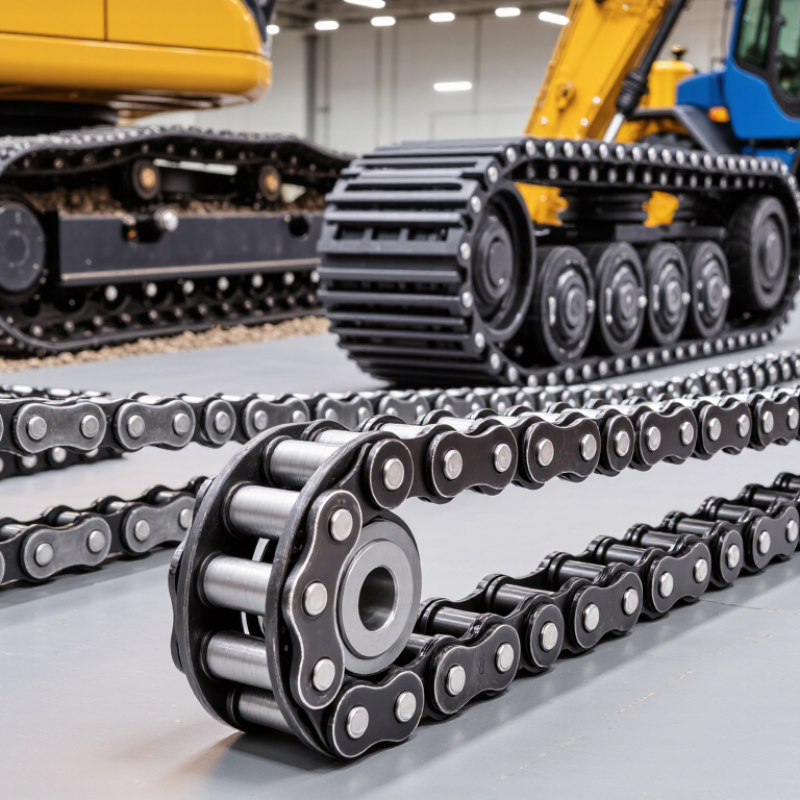
Track chain links form the moving backbone between a machine’s rollers, sprockets, and ground. For excavators and dozers, the key basics are pitch, link count, pin-and-bushing design, and sealing. Pitch must match the sprocket; a mismatch can cause rough engagement and faster wear. Small details matter.
Common choices include sealed-and-lubricated chains, sealed chains, and heavier-duty link assemblies. Sealed-and-lubricated designs retain oil around the pin and bushing, reducing internal friction when seals remain sound. Dry or worn joints may squeak and develop noticeable looseness. Not always obvious. A quick visual check cannot reveal every internal wear issue, so compare measurements with the machine’s service limits.
Work conditions help guide selection. The USGS Mineral Commodity Summaries 2024 estimated 960 million metric tons of US construction sand and gravel production in 2023, illustrating the scale of abrasive aggregate work. In gravel, quarry, or demolition settings, debris can accelerate wear; in sticky clay, packed material may interfere with link movement. Heavier-duty links can suit severe service, but they add weight and cost. Match chain type to the machine’s approved specifications, expected ground conditions, and maintenance capacity—not just the toughest-sounding option. One easy oversight is checking the chain but ignoring sprocket and roller wear; those parts wear together, and the inspection can feel incomplete.
Track chains differ mainly in how their pin-and-bushing joints manage friction and contamination. A sealed and lubricated chain holds oil between the pin and bushing, with seals at each joint. This helps reduce internal wear during long travel hours. It is common on excavators and dozers working in abrasive soil, though damaged seals can let grit in.
A sealed chain uses seals to keep dirt out, but its joints may not contain the same oil reservoir as a lubricated design. A dry chain has no sealed lubricant chamber. Its joints rely more on external lubrication and maintenance, so wear can rise quickly in dusty, wet, or rocky conditions. Terminology varies between suppliers, which can make “sealed” sound more specific than it is. Check the chain’s construction, not only its label.
Link shape and pitch matter too. The links connect the pins and bushings, while their rail surfaces guide the machine along the rollers. A heavier link may suit severe impact, but added mass is not automatically better for every undercarriage. Master links are split or removable sections that make chain installation easier; they are not a separate lubrication type. Match pitch, link count, and joint design to the machine’s specifications. Measure carefully. A small mismatch can cause uneven contact, and I have seen that detail overlooked.
2026 Best Track Chain Link Types for Excavators and Dozers?
Choosing track chain links starts with machine weight, drawbar load, and the work cycle. A compact excavator handling light trenching may suit standard-duty links. Heavy dozers pushing rock need stronger links, pins, and bushings to withstand impact. Mud can pack around the chain, while sand and crushed stone accelerate abrasive wear. Match the chain to the harshest regular condition, not just the average jobsite. Published undercarriage wear tables commonly use roughly 2–3% pitch elongation as a planning range, but the machine’s service limits should guide replacement decisions. Measure pitch.
For soft ground, a wider shoe can reduce ground pressure, but it does not make an undersized chain stronger. In rocky ground, prioritize link and joint durability; in abrasive soil, check sealing and lubrication requirements. Inspect for uneven wear, cracked links, and tight joints. A mismatch may look fine for weeks, then wear quickly under load. That is easy to overlook.
Tips: Record chain pitch and sag during routine inspections, and compare readings over time. Confirm link dimensions against the machine’s specifications before ordering. Small differences matter. A practical caveat: ground conditions change across a site, so one chain choice may not be perfect everywhere.
Choose a chain for the machine’s real workload, not just its model size. Excavators often turn and travel across mixed ground; dozers spend longer pushing under sustained load. Sealed-and-lubricated chains can limit pin and bushing wear in abrasive conditions, but a damaged seal may let grit inside. Inspect link pitch, pin movement, and sprocket wear together. Fit matters.
Ground pressure helps compare setups. ISO 16754:2008 describes a standardized method for determining average ground contact pressure on crawler machines.
For example, a 20-tonne machine with 2.5 square metres of total track contact area produces roughly 78 kilopascals of nominal pressure.
This is a calculation, not a site guarantee: soft soil, slope, and material buildup change actual performance. Wider shoes can reduce ground pressure, yet may increase turning stress and wear on hard surfaces.
Check the chain’s pitch and link dimensions against the sprocket and idler, then confirm the supplier’s service limits. Record operating hours, soil conditions, and measured pitch growth at inspections; these notes reveal whether wear is gradual or suddenly accelerating. A heavy-duty chain may suit rock or high-impact work, but it is not automatically the longest-lasting choice. Sometimes the costly mistake is pairing aggressive shoes with a machine that mostly travels on firm ground.
2026 Best Track Chain Link Types for Excavators and Dozers?
Track Chain Inspection, Wear, and Replacement Guidelines
Track chains wear gradually, but small changes matter. Check chain pitch, pin and bushing wear, loose hardware, and uneven link surfaces during routine inspections. Measure at several points, not just one convenient section. Compare readings with the machine’s model-specific wear chart; there is no reliable universal replacement limit. AEMP fleet-management guidance emphasizes tracking maintenance costs over equipment life, while industry undercarriage benchmarks commonly place undercarriage work at a substantial share of tracked-machine repair expense. That makes consistent measurement more useful than waiting for a visible failure.
Look closely after operating in abrasive soil or sticky clay. Packed material can hide cracks and accelerate wear around pins and bushings. Record measurements, operating hours, and the chain’s position. A little tedious, yes—but useful when wear appears uneven. Replace components as a compatible set when the wear chart or inspection indicates it; mismatched wear can shorten the life of new parts. Ask a qualified technician to assess suspected cracks or abnormal chain stretch.
Tips: Clean the chain before measuring. Use the same measurement method each time, and photograph unusual wear for comparison. Check tension against the machine’s service instructions; overly tight chains add load, while excessive slack can increase impact and derailment risk. Don’t guess from appearance alone.
Track-chain terminology and wear limits vary by machine and undercarriage design. Use the machine’s service manual and specified measurement method for final inspection and replacement decisions.
| Track Chain Type | Construction and Lubrication | Typical Use | Advantages and Trade-offs | Inspection Focus |
|---|---|---|---|---|
| Sealed and lubricated track (SALT) | Pins and bushings are sealed to retain internal lubricant and limit entry of abrasive material. | Common on many modern excavators and dozers working in mixed soil conditions. | Reduces internal pin-and-bushing wear when seals remain effective; seal damage or lubricant loss can accelerate wear. | Check for damaged or displaced seals, lubricant leakage, abnormal pin or bushing movement, and increasing chain pitch. |
| Sealed, non-lubricated (dry) track | Seals help exclude dirt, but the pin-and-bushing joint is not maintained as an oil-filled lubricated joint. Exact designs vary. | Machines or undercarriage configurations designed for this chain type; confirm compatibility before fitting. | Can suit applications for which the machine was engineered; internal joint wear may differ from lubricated-chain designs. | Look for seal damage, loose joints, cracked links, and pitch wear. Follow the specified inspection procedure for that chain design. |
| Heavy-duty or heavy-duty sealed track | A reinforced chain configuration intended for higher-impact or abrasive service; sealing and lubrication features depend on the design. | Rough, rocky, or high-impact work when the machine manufacturer offers a compatible configuration. | May provide greater resistance to impact-related damage, but adds mass and is not automatically the best choice for every machine or task. | Inspect links for cracks, deformation, and impact damage; check pin-and-bushing condition and confirm measurements against the correct wear limits. |
| Track chain with rotating bushings | Designed so the bushing can rotate relative to the link under specified conditions, helping distribute external sprocket contact wear. Availability is design-specific. | Selected dozer applications where external bushing wear is a concern and the machine is designed for this system. | Can help manage bushing wear in suitable applications; requires compatible sprockets and correct maintenance practices. | Check bushing rotation or wear condition as specified, sprocket engagement, pitch, and compatibility of mating undercarriage parts. |
| General-purpose standard chain | A standard machine-compatible chain assembly; link, pin, bushing, and seal details depend on the specific undercarriage design. | Routine excavation, grading, and dozing within the machine’s intended operating conditions. | A practical choice when matched to machine specifications and working conditions; service life depends on maintenance, ground, and operating habits. | Inspect the complete chain and related components; do not select a replacement based on chain description alone. |
| Inspection Item | What to Check | When to Consider Repair or Replacement |
|---|---|---|
| Track pitch and chain elongation | Measure the specified number of links using the service-manual method. Increased pitch commonly results from pin-and-bushing wear, not stretching of the steel links alone. | Plan service when measurements reach the machine-specific wear limit or when chain wear causes poor sprocket engagement. |
| Pin and bushing wear | Inspect accessible pin ends and bushing surfaces for wear, scoring, looseness, damage, or lubricant leakage where applicable. | Repair or replace according to measured wear limits and system condition; consider related sprocket wear when planning work. |
| Links, rails, and pin bosses | Look for cracks, bent or damaged links, unusual wear, loose joints, and signs of misalignment. | Address cracks, structural damage, or abnormal looseness promptly; have the assembly assessed before continued heavy operation. |
| Sprocket and chain engagement | Check sprocket teeth for hooking or uneven wear and observe whether the chain seats and engages evenly. | Assess chain and sprocket together. Installing a new chain against excessively worn mating components can shorten service life. |
| Track tension and adjustment | Measure track sag or tension using the machine’s specified location, setup, and procedure; remove packed material before checking. | Adjust only to the manufacturer’s specification. Excessive tightness can increase undercarriage load and wear; excessive looseness can contribute to derailment. |
| Replacement planning | Compare measured wear across both sides and review the condition of rollers, idlers, sprockets, and shoes. | Use compatible parts and the machine-specific limits. Whether to replace one side or both depends on wear balance, application, and service guidance. |
Practical note: Clean the undercarriage regularly, avoid unnecessary high-speed travel and sharp counter-rotation on abrasive ground, and inspect wear consistently using the same measurement method. Always follow the machine’s service manual for limits, adjustment, and repair procedures.