The Ultimate Guide to Dump Trailer Tarps What You Need to Know
In the world of construction and waste management, the Dump Trailer Tarp plays a crucial role. According to a recent industry report by the National Association of Trailer Manufacturers, using tarps can reduce material loss by nearly 30%. “Properly securing loads with a Dump Trailer Tarp is essential for safety and efficiency,” says industry expert Mark Johnson, who has over 15 years of experience in trailer equipment.
Many operators underestimate the importance of these tarps. Not every tarp is created equal. Choosing the right material and size can significantly impact daily operations. A poorly fitted tarp can lead to accidents or material spillage, resulting in costly delays.
The right Dump Trailer Tarp enhances load security and compliance with local regulations. However, understanding various options can be overwhelming. It is essential to evaluate your specific needs and choose wisely. The investment in a quality tarp pays off in the long run.
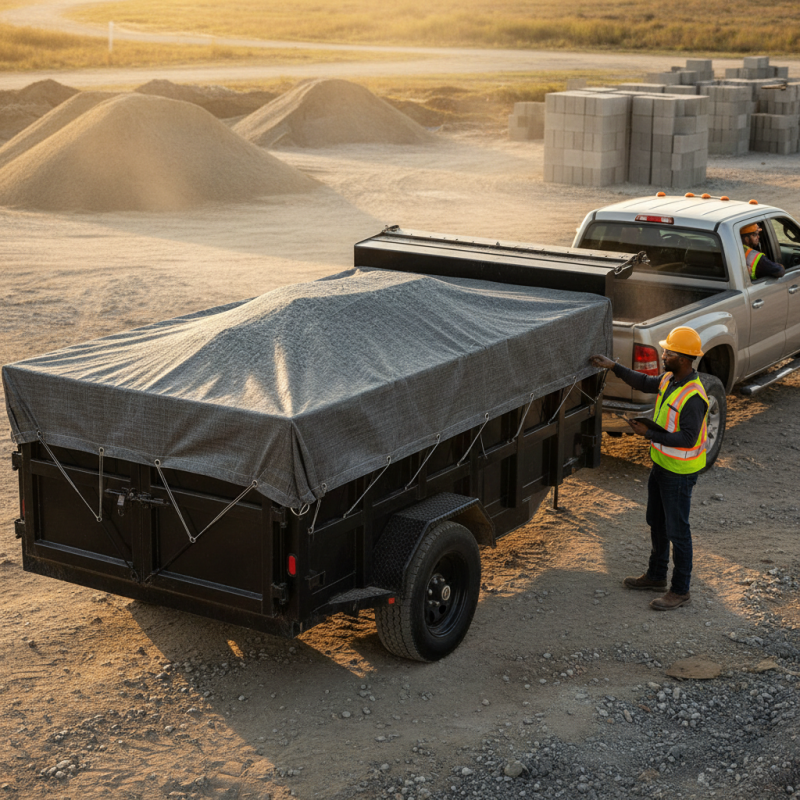
Understanding Dump Trailer Tarps: Types and Materials
When selecting a dump trailer tarp, understanding the types and materials is crucial. The market features several options, each with unique qualities. For instance, mesh tarps are lightweight and breathable. They are ideal for transporting loose debris. However, they can allow small particles to escape, which might not meet specific transport regulations.
On the other hand, vinyl tarps offer better weather resistance. They are heavier, providing durability and security. Yet, they can be cumbersome to handle. Industry reports suggest that over 50% of businesses prioritize durability when choosing tarp material. This decision often reflects the heavy-duty nature of their loads.
Polyester tarps represent a middle ground. They balance weight and strength effectively. However, some users find they require more maintenance over time. According to studies, improper usage of tarps leads to a 30% increase in cargo loss. This statistic highlights the importance of choosing the right material for your specific needs.
Key Features to Consider When Choosing a Dump Trailer Tarp
When selecting a dump trailer tarp, several key features come into play. First, you should consider the material. Durable fabrics resist tears and withstand various weather conditions. Look for heavy-duty options that will last for years. Think about how often you will use it.
Another important factor is size. A tarp that fits snugly prevents debris from spilling during transport. Measure your trailer accurately. It’s more difficult to manage a tarp that’s too large or too small. Sometimes, you might think you can make do with the wrong size, but this can lead to frustration.
Tip: Always check the quality of the grommets. Weak grommets can tear easily, affecting the tarp's lifespan. Inspecting these small details will save you time and money in the long run. You might face challenges, like wind lifting your tarp if it's not secured properly. Consider adding straps or weights to avoid potential issues.
Lastly, think about the ease of installation. Some tarps come with built-in straps or hooks. This feature can simplify your setup and enhance your experience. If a tarp is difficult to use, you might not use it as often as you should. Choose wisely.
Installation Process: How to Properly Fit Your Dump Trailer Tarp
When it comes to fitting your dump trailer tarp, precision is key. Start by measuring the dimensions of your dump trailer accurately. Not all trailers are created equal, so each tarp needs to be tailored to fit correctly. A tarp that’s too small won’t cover the load, while one that’s too large can flap in the wind. It’s essential to focus on these details for effective coverage.
Next, position the tarp over the trailer. Ensure that it hangs evenly on all sides. You may encounter challenges here, especially if the wind is strong. A second pair of hands can be helpful during installation. Attach the tarp to the trailer using the provided clips or straps. Make sure they are secure but not overly tightened. You want to avoid tearing the tarp material, which can be costly.
After the tarp is attached, check for any loose areas. A well-fitted tarp should not have excessive slack. If you notice any sections that could catch the wind, consider adjusting them. Pay attention to how the tarp reacts in different conditions. Instinctively, you may think your installation is perfect, but be open to reevaluation. This process will help you refine your approach in the future.
Maintenance Tips for Longevity of Dump Trailer Tarps
Maintaining the longevity of dump trailer tarps requires careful attention and regular upkeep. According to industry reports, tarp deterioration costs operators nearly $10 million annually in replacements and repairs. Regular inspections can prevent excessive wear. Checking for tears, rust, and other visible damages should be part of your routine. A small tear can quickly escalate into a larger problem.
Proper cleaning plays a vital role in maintenance. Use a mild soap solution and avoid harsh chemicals. Rinsing with water keeps the tarp flexible and prevents grime build-up. Consistent cleaning can extend the life of a tarp by around 30%. In contrast, neglecting this step leads to faster decay and increased costs.
Storage conditions also matter. Avoid leaving tarps in direct sunlight for extended periods. UV rays can weaken the material, leading to premature failure. Covering or storing them in a shaded area can help. Remember, each detail counts. Even small actions can significantly influence the lifespan of your tarp. Embracing good habits will save time and money in the long run.
Safety Guidelines for Using Dump Trailer Tarps Effectively
Using dump trailer tarps requires attention to safety. Proper usage not only protects your cargo but also ensures safe transportation.
Tip: Always check your tarp for tears or wear before securing it. A damaged tarp may not hold up during transit, increasing the risk of accidents. Secure tarps tightly, but do not over-stretch. Over-stretching can lead to tearing and failure.
Falling debris can be a concern. Make sure your trailer is properly loaded. Uneven weight distribution increases the chance of material shifting and pushing against the tarp. If needed, use additional straps for added security.
Tip: Keep an eye out for loose ends. Flapping tarp edges can distract drivers or cause accidents. Observing your load from different angles can help spot issues. Reflect on your loading methods. Are you doing it as safely as possible?
Being mindful of these guidelines helps protect everyone on the road. Regularly evaluate your processes for transporting materials. A little extra attention can make a big difference.
 Skip to content


 English
 Russian
  German
  Spanish
  French
  Portuguese