Why Choose a Vibration Measuring Device for Accurate Results?
In various industries, accurate vibration measurement is crucial for maintaining equipment performance and safety. According to a report by MarketsandMarkets, the global vibration monitoring market is projected to reach $5.59 billion by 2026, highlighting the importance of reliable data collection. A Vibration Measuring Device enables engineers to assess machine conditions and prevent costly downtimes effectively.
The need for precision in measurements cannot be overstated. A recent study revealed that 80% of machinery failures are linked to vibrational abnormalities. Choosing the right Vibration Measuring Device can significantly enhance predictive maintenance strategies. Moreover, advanced technologies, like wireless sensors and data analytics, further improve accuracy and convenience.
However, not all devices are created equal. Factors such as calibration, sensitivity, and data processing capabilities significantly influence measurement results. It's essential to critically evaluate these aspects before making a decision. Ultimately, the right Vibration Measuring Device not only enhances operational efficiency but also ensures a safer working environment.
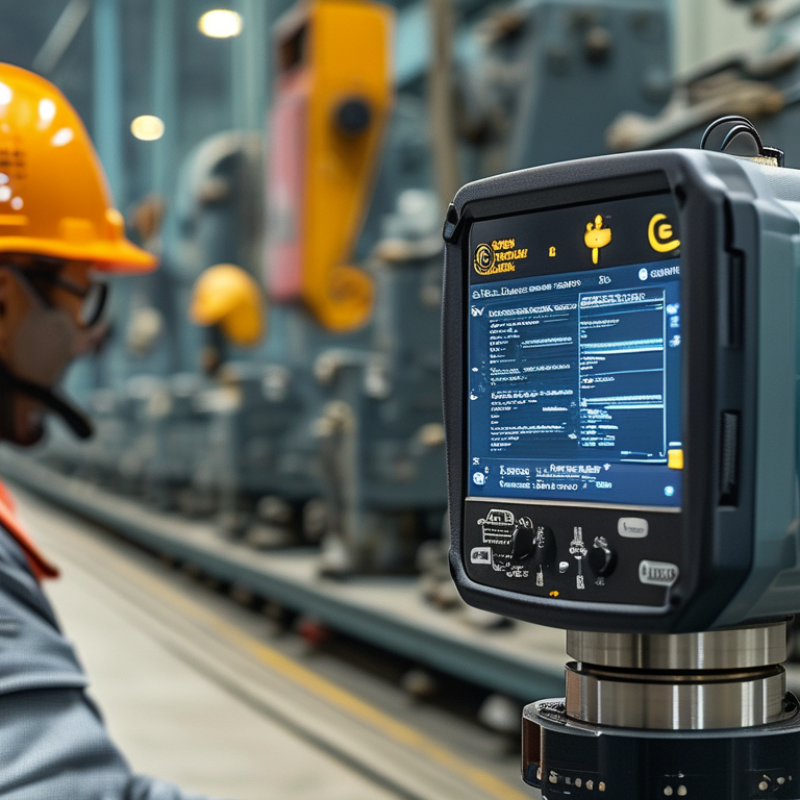
Importance of Accurate Measurements in Vibration Analysis
Accurate measurements in vibration analysis are paramount. They ensure the safety and longevity of machinery. Minor discrepancies can lead to significant failures. In industries like manufacturing, construction, and aerospace, precision is not optional. Equipment operates under stress. A small vibration can escalate into severe damage. Therefore, vibration measuring devices play a crucial role.
Operators often underestimate the impact of vibrations. Routine machinery checks may miss subtle changes. This oversight can escalate costs and downtime. Using advanced vibration measuring devices helps identify issues early. Anomalies reveal themselves through precise data. This early detection minimizes repair costs. It also prevents hazardous situations.
However, not all measurements are flawless. Inconsistent readings can occur due to environmental factors. Calibration is essential for reliable results. Regular maintenance of measuring devices cannot be ignored. In the end, a commitment to accurate measurements fosters a safer work environment. It’s about protecting investments and ensuring efficient operations.
Types of Vibration Measuring Devices Available in the Market
Vibration measuring devices come in various types, each tailored to specific needs. Commonly used are accelerometers, which measure the acceleration of a vibrating object. They can capture high-frequency vibrations effectively. Due to their compact size and sensitivity, accelerometers are widely trusted in industrial applications.
Another popular choice is the vibration meter. These handheld devices offer direct readings and are user-friendly. They are ideal for quick assessments in the field. Vibration Meters often display results in terms of velocity or displacement. Their simplicity makes them accessible for many users.
There are also more advanced options, like laser vibrometers. These instruments measure vibrations remotely using laser technology. They are precise but come with a higher cost. Users often consider the trade-off between accuracy and expense. This decision can be challenging and requires careful thought. Choosing the right device involves understanding their strengths and limitations.
Key Features to Consider When Selecting a Vibration Measuring Device
Choosing the right vibration measuring device is crucial for achieving accurate results. When selecting one, consider several key features. Accuracy is paramount. A device with high precision will reduce measurement errors. This is vital in industries where machines operate under strict tolerances.
Another important feature is the range of measurement. Some devices measure only specific frequencies. Others cover a broader spectrum. A versatile device can be more beneficial, especially in complex environments. Portability also matters. A lightweight, compact device is easier to use in different locations.
User-friendly interfaces enhance usability. Look for devices with clear displays and intuitive controls. This can save time and reduce mistakes. Don’t overlook data storage options. Some devices allow you to save readings for future analysis. This is helpful for tracking changes over time. When evaluating choices, reflect on what features matter most to your specific applications.
Vibration Measurement Data - Key Features Comparison
Applications of Vibration Measurement in Various Industries
Vibration measurement plays a crucial role across various industries. In manufacturing, accurate vibration data helps maintain machinery efficiency. Monitoring equipment health can prevent costly failures. Regular checks can identify anomalies early, allowing for timely maintenance. This proactive approach enhances productivity and reduces downtime.
In the energy sector, vibration analysis is essential. It ensures the reliability of turbines and generators. Operators rely on precise measurements to optimize performance and minimize risks. A small oversight can lead to significant operational failures. Thus, consistent monitoring aids in maintaining energy supply stability.
In transportation, vibration measurement is vital for safety assessments. Engineers assess the durability of vehicles and infrastructure. Data collected on vibrations can forecast potential issues. This insight helps in improving designs and ensuring passenger safety. However, road conditions and external factors must be considered; these can skew results. Continuous improvement in measurement techniques is necessary for better reliability.
Benefits of Using Advanced Vibration Measuring Technologies
Vibration measuring devices have become essential in various industries. Using advanced vibration measuring technologies offers significant benefits, ensuring accuracy in results. These devices accurately detect and analyze vibrations, allowing for effective monitoring of equipment conditions. Understanding vibration patterns can help prevent costly breakdowns.
Tips: Choose a device with suitable sensitivity. Higher sensitivity provides better detection of minor vibrations.
Advanced technology enables real-time monitoring. This ensures that any abnormalities are caught immediately. Regular analysis helps in understanding wear and tear on machinery. Insights gained can lead to proactive maintenance strategies.
Tips: Regularly calibrate your instruments. Calibration ensures accuracy over time.
Utilizing vibration measuring devices not only increases reliability but also improves safety. Knowing when equipment is under stress can help prevent accidents. The data obtained guides engineers in making informed decisions about repairs and upgrades.
Tips: Keep a detailed log of vibration data. It helps track long-term trends and identifies issues early on.
 Skip to content


 English
 Russian
  German
  Spanish
  French
  Portuguese