Top Waterproof Silicone Sealant Tips for Global Buyers?
When considering a purchase of Waterproof Silicone Sealant, understanding its features is crucial. This sealant is essential for various applications, including construction and home repairs. It provides a reliable barrier against moisture and can withstand diverse environmental conditions.
Buyers should pay attention to factors like curing time, flexibility, and adhesion to different surfaces. Often, users overlook these details, only to be disappointed later. The right waterproof silicone sealant can enhance the durability of their projects, but improper choices can lead to leaks and damage. Seek products with strong user reviews to ensure quality.
Expert insights show that not all brands deliver the same results. Variations in formulation can impact performance. Therefore, buyers must research thoroughly. Quality should never be sacrificed for a lower price. In the end, a well-informed choice in waterproof silicone sealant can save time and resources, making every project successful.
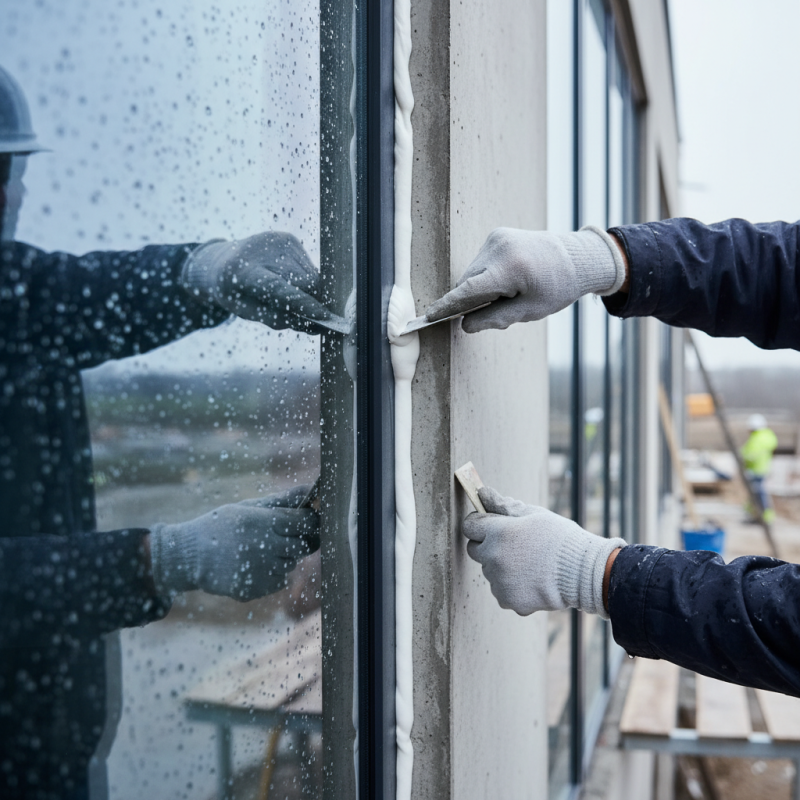
Top Features to Look for in Waterproof Silicone Sealants
When selecting waterproof silicone sealants, several key features deserve your attention. A high-quality sealant should offer excellent adhesion to various surfaces like glass, metal, and plastic. This versatility ensures effective sealing in diverse environments. Additionally, look for products that provide a long-lasting, flexible finish, allowing for movement without cracking.
One important aspect is the curing time. Some sealants cure quickly while others might take longer. It’s vital to choose one that aligns with your project timeline. Waterproof silicone sealants should also be mold and mildew resistant. This property is crucial for areas exposed to moisture, such as kitchens and bathrooms.
Tips for buyers include checking the temperature range of the sealant. Some perform well in extreme conditions, while others don’t. Always read user reviews for first-hand experiences. This feedback offers invaluable insights into how the product performs over time. Consider purchasing in smaller quantities first to test the sealant before committing to larger amounts.
Understanding Different Types of Silicone Sealants for Various Applications
When exploring silicone sealants, it’s crucial to understand the various types available. Acetoxy silicone is popular for its effective adhesion and fast curing time. It is often used in kitchens and bathrooms due to its ability to withstand moisture. However, it can produce a strong odor during application, which might be uncomfortable in enclosed spaces.
Another type is neutral cure silicone, which is less aggressive and suitable for sensitive materials like metal and stone. This option is ideal for outdoor applications, as it resists UV rays and harsh weather. While it offers great durability, its curing process is slower. Users should plan for this extended wait time, especially in projects requiring quick results.
Lastly, specialty silicone sealants cater to specific needs, such as high-temperature resistance or flexibility. These formulations can be beneficial in automotive or construction sectors. Understanding each type's unique properties helps buyers make informed choices. Reflecting on project requirements can lead to better performance and longevity of the sealant used. Balancing performance with application specifics is essential for achieving optimal results.
Key Performance Metrics: Adhesion Strength and Temperature Resistance
When choosing waterproof silicone sealants, two key performance metrics stand out: adhesion strength and temperature resistance. Adhesion strength determines how well the sealant sticks to various surfaces. A higher adhesion strength is crucial for longevity, especially in high-moisture areas like kitchens and bathrooms. Many factors can affect this strength, such as surface preparation and application technique. Surface contamination can weaken adhesion, leading to potential failures.
Temperature resistance is equally important. Sealants must withstand temperature fluctuations to maintain effectiveness. Some might perform well in hot climates but fail in cold environments. For outdoor applications, UV resistance is also a concern. Users should consider their local climate when selecting a sealant. A sealant that works in one region may not be suitable elsewhere.
Buyers should take time to test different products under real conditions. This helps identify potential weaknesses and ensures the best performance. Effective sealants provide peace of mind. However, it’s essential to understand that no product is perfect. Regular maintenance and inspections can prevent problems down the line.
Top Waterproof Silicone Sealant Performance Metrics
Industry Standards and Certifications for Quality Assurance in Sealants
When selecting waterproof silicone sealants, understanding industry standards is crucial. Certifications ensure the quality of the products. Most countries have specific guidelines for sealants. These guidelines often cover aspects like adhesion, durability, and environmental resistance. Buyers should look for sealants that meet these recognized standards.
Different regions may have varied certification systems. For example, in Europe, the EN standard offers benchmarks for performance. In the U.S., ASTM standards are prevalent. Those unfamiliar with these certifications might overlook key indicators of quality. It’s essential to research and know which certifications are reliable.
Buyers should not only check for certifications but also know testing methods. Some sealants pass tests easily but may not perform well in real-world conditions. It often requires real-life applications to reveal a product’s weaknesses. Understanding these nuances can allow buyers to choose more effectively, ensuring they invest in quality products.
Top Waterproof Silicone Sealant Tips for Global Buyers
| Aspect | Details |
| Product Type | Sealant for construction, automotive, and marine applications |
| Key Features | Waterproof, flexible, and durable |
| Curing Time | Typically 24 hours for full cure |
| Industry Certifications | ISO 11600, ASTM C920, FDA compliance for food safety |
| Temperature Resistance | -40°F to 400°F (-40°C to 204°C) |
| Adhesion Capability | Excellent adhesion to glass, metal, and ceramics |
| Application Method | Caulking gun or applicator for smooth finish |
| Shelf Life | 12 months from date of manufacture |
Tips for Proper Application and Longevity of Waterproof Silicone Sealants
When applying waterproof silicone sealants, preparation is key. Clean the surfaces thoroughly to remove dust, grease, or old sealant remnants. A clean surface ensures better adhesion and a longer lifespan for your sealant. Use a scraper or a cloth with a suitable solvent for detailed cleaning. Sometimes, the best results come from starting with a fresh base.
Application techniques can greatly affect results. Cut the nozzle at a 45-degree angle to achieve a controlled flow. Press the sealant into the joint firmly. Make sure it fills the space completely without air pockets. While finishing, a wet finger or a smoothing tool can help create a seamless surface. It’s common to have a few imperfections on the first try, so practice is advisable.
Curing time varies, and patience is important. Avoid contact with water until the silicone has fully cured. Sometimes, unexpected moisture can compromise the seal. Documenting your process can help identify what works best. Utilizing proper tools and techniques improves efficiency. Regular maintenance ensures continued performance, though it can be overlooked. A proactive approach can prevent future issues. Techniques evolve, and it's essential to stay informed for optimal results.
 Skip to content

 English
 Russian
  German
  Spanish
  French
  Portuguese