What is Welded Wire Mesh and How is it Used?
welded wire mesh is an essential material in construction and various other industries. It consists of intersecting wire strands that are welded together at each point. This method creates a robust structure, making it ideal for a range of applications.
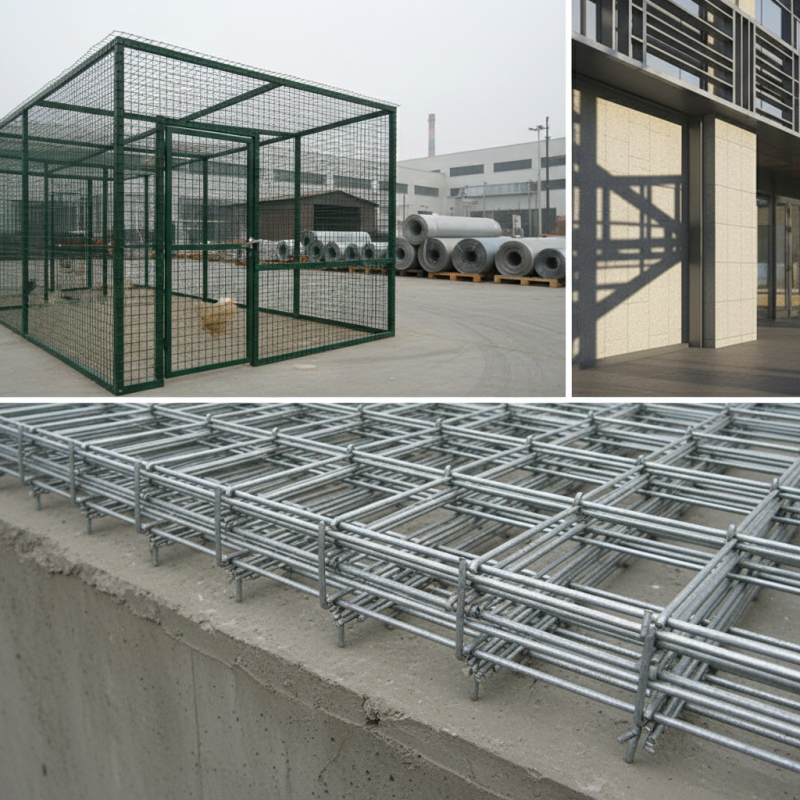
The versatility of welded wire mesh is impressive. It can be used for concrete reinforcement, animal enclosures, and even architectural elements. In construction, it provides stability and strength, enhancing the durability of structures. However, using welded wire mesh isn't without challenges. The quality of the welding and the gauge of the wire can affect the final product's performance.
In many situations, the specific needs may dictate the type of welded wire mesh required. Not all applications will benefit equally from this material. Careful consideration of the project requirements is vital. Making the right choice can yield impressive results, while a misstep can lead to issues down the line. Therefore, understanding the properties and limitations of welded wire mesh is crucial for achieving optimal outcomes.
Definition and Composition of Welded Wire Mesh
Welded wire mesh is a vital component in various construction and industrial applications. It consists of wire strands that are welded together at intersections. The mesh is typically made from steel, stainless steel, or other metal types. The process involves taking rods or wires, arranging them in a grid, and using an electric current to weld them. This creates a stable and durable framework.
In terms of composition, welded wire mesh generally features wires of varying diameters, often between 1.2 mm to 6 mm. The spacing between the wires can be customized, typically ranging from 25 mm to 200 mm. An industry report indicates that the global market for welded wire mesh is projected to reach over $8 billion by 2025. This reflects its widespread use in agriculture, construction, and security fencing.
While the material is robust, challenges exist. Production inconsistencies can affect quality. Variations in wire thickness can lead to vulnerabilities. In environments with high corrosion potential, choosing the right type of mesh is crucial. Overall, welded wire mesh offers flexibility in design and function but requires careful consideration to maximize its advantages.
Different Types of Welded Wire Mesh and Their Applications
Welded wire mesh is a versatile material used across various industries. Its strength and durability make it ideal for numerous applications. The primary types of welded wire mesh vary based on wire thickness and mesh size.
One common type is the heavy-duty welded wire mesh. This type is often used in construction. It provides support for concrete slabs and walls. Another variant is the light-duty welded wire mesh. It is popular in fencing. This option is often seen in agricultural settings. Small animals are kept secure with this mesh.
Welded wire mesh can also be customized. This adaptability makes it suitable for unique projects. For instance, some may require larger openings for ventilation, while others need tighter spacing for security. Many people overlook how this mesh can be painted or coated for added protection. Certain applications may benefit from these additional finishes, enhancing both aesthetics and longevity. However, choosing the right type requires careful consideration of factors like intended use and environmental conditions.
Welded Wire Mesh: Types and Applications
Manufacturing Process of Welded Wire Mesh
The manufacturing process of welded wire mesh involves several key steps that ensure quality and durability. It begins with the selection of raw materials. Typically, high-quality steel wires are chosen for their strength and flexibility. These wires are then fed into an automated machine, which straightens and cuts them into pre-defined lengths. This initial step is critical; any imperfection at this stage can lead to compromised strength.
Next, the wires are arranged in a grid pattern. Cross wires are placed perpendicularly to the main wires, creating a mesh. Welding the intersections is essential. This can be done using various methods, such as electric resistance welding. Proper temperature and pressure are crucial here. A miscalculation can result in weak bonds, leading to failures down the line.
After welding, the mesh is often subjected to surface treatments. This might include galvanizing or coating to prevent rust. However, attention must be paid during this phase. Inconsistent coating can lead to vulnerable spots. Finally, the finished product is cut to size and packaged for shipment. Quality checks are essential at every stage, ensuring that welded wire mesh meets the required standards for various applications.
Common Uses of Welded Wire Mesh in Construction and Industry
Welded wire mesh is a versatile material widely used in construction and industry. It consists of thin steel wires that are welded together at intersections, creating a strong grid-like structure. According to a report by Freedonia Group, the demand for welded wire mesh is expected to reach over over 10 billion USD by 2025. This demand reflects its importance in various applications.
In construction, welded wire mesh serves as reinforcement for concrete slabs. It improves tensile strength and reduces cracking. It's also utilized in the creation of fences and cages for livestock, providing durability and security. In industrial settings, welded wire mesh is used in floors, walls, and even overhead shields. The mesh provides support, yet allows for easy visibility and circulation.
However, some challenges remain. The precise manufacturing process can be costly. Variations in wire quality may also affect the overall strength of the mesh. Reports indicate that poor quality mesh can lead to structural failures. This emphasizes the necessity for careful selection and procurement. Despite its common use, awareness of these potential pitfalls must be considered.
Benefits and Advantages of Using Welded Wire Mesh
Welded wire mesh is a durable material widely used in construction and agriculture. Its structure consists of intersecting steel wires, which are welded at each junction. This design makes it strong and resilient against stress. Many industries favor welded wire mesh for its versatility.
One of the primary advantages of welded wire mesh is its strength. It can hold heavy loads without bending or breaking. This makes it ideal for reinforcing concrete structures. Another benefit is its ease of installation. The mesh comes in various sizes, allowing for flexibility in applications.
Tips: When selecting welded wire mesh, consider the gauge of the wire. Thicker wires offer more strength but may be heavier to handle. Also, ensure that the mesh is galvanized if exposed to moisture. Although it's weather-resistant, regular maintenance can improve its lifespan. Remember, not all projects require heavy-duty mesh; sometimes, lighter options suffice.
 Skip to content


 English
 Russian
  German
  Spanish
  French
  Portuguese