Why Choose Pneumatic Gates for Your Industrial Needs?
In modern industrial applications, the choice of equipment can significantly impact efficiency and performance. One expert in the field, Dr. Emily Carter, emphasizes the importance of selecting the right systems: "Pneumatic Gates provide unmatched precision and control." This statement reflects the growing trend towards pneumatic solutions in many industries.
Pneumatic Gates are designed to handle various materials effectively. They can manage everything from bulk solids to liquids, ensuring a seamless operation. Their ability to open and close quickly makes them ideal for time-sensitive processes. However, some users may overlook the potential drawbacks, such as the need for regular maintenance.
Understanding the advantages and challenges of Pneumatic Gates is crucial. They offer exceptional versatility and reliability but require familiarity with their operational needs. Investing in this technology can lead to increased productivity, but it’s essential to assess specific requirements carefully.
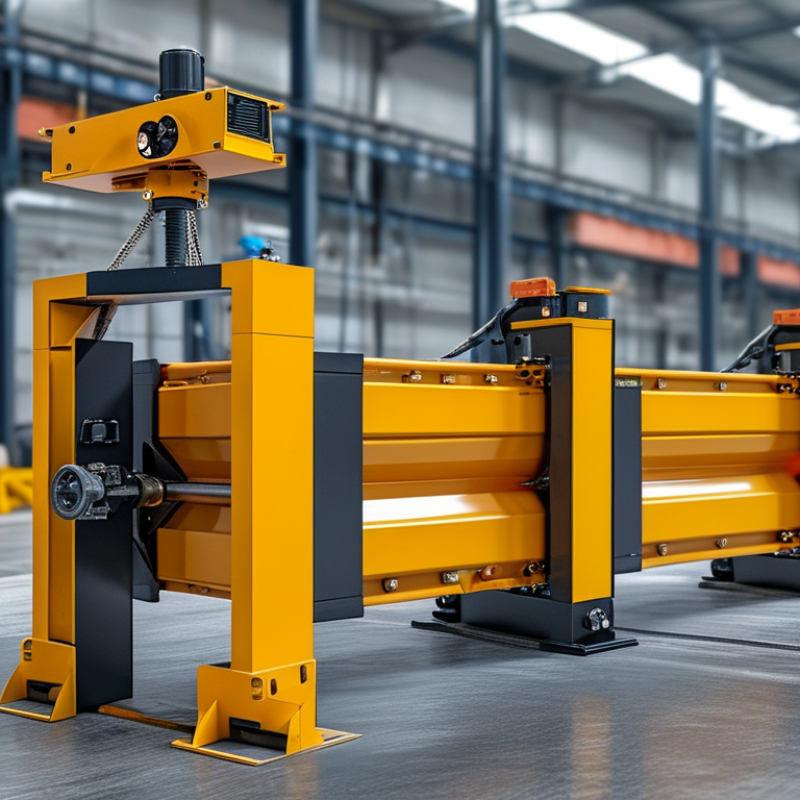
Understanding Pneumatic Gates and Their Functionality
Pneumatic gates are essential in various industries due to their unique functionality. They operate using compressed air to control the flow of materials. This control mechanism allows for precise and efficient handling of bulk substances, ensuring smoother operations.
One of the key aspects of pneumatic gates is their adaptability. They can be tailored to fit different applications, whether in food processing, mining, or power generation. However, not every design suits every requirement. Industrial professionals must evaluate their specific needs. It can be easy to overlook details like pressure levels or the type of materials being handled. These factors greatly influence performance.
Moreover, maintenance is a critical consideration. Pneumatic systems require regular checks to ensure they function optimally. Neglecting this can lead to failures that disrupt operations. This reality serves as a reminder that even the most advanced technology requires diligence. A deep understanding of pneumatic gates can lead to more informed decisions in industrial applications.
Advantages of Pneumatic Gates Over Other Gate Types
Pneumatic gates offer distinct advantages for industrial applications. They are highly efficient, providing quick operation with minimal energy consumption. Reports indicate that pneumatic systems are generally 30% more energy-efficient than their mechanical counterparts, making them an attractive choice for long-term cost savings.
One key benefit of pneumatic gates is their reduced maintenance requirements. With fewer moving parts, these gates experience less wear and tear. This is vital in harsh industrial environments where downtime can lead to significant financial losses. Data suggest that companies employing pneumatic systems see maintenance costs decrease by as much as 25%.
Safety is another crucial factor. Pneumatic gates can be integrated with advanced safety features, such as automatic shut-off in emergencies. This is vital in industries that handle hazardous materials. Additionally, pneumatic gates operate quietly, reducing noise pollution, which enhances working conditions. However, reliance on air pressure means a continuous supply is necessary; any disruption could impact functionality. Overall, when considering efficiency, maintenance, and safety, pneumatic gates stand out as a practical choice for a variety of industrial needs.
Why Choose Pneumatic Gates for Your Industrial Needs? - Advantages of Pneumatic Gates Over Other Gate Types
| Gate Type | Advantages | Disadvantages | Best Used In |
| Pneumatic Gates | Quick operation, low maintenance, minimal manual effort | Air supply dependency, initial installation cost | Automated processes, high-speed applications |
| Electric Gates | Precision control, good for complex applications | Higher energy consumption, more maintenance | Closed environments, precision needed |
| Manual Gates | Simplicity, no power needed | Labor-intensive, slower operation | Small operations, low volume tasks |
| Hydraulic Gates | High force, suitable for heavy loads | Complex systems, potential oil leaks | Heavy-duty applications, construction |
Applications of Pneumatic Gates in Various Industries
Pneumatic gates are increasingly popular across various industries due to their efficiency and versatility. They find applications in sectors like food processing, pharmaceuticals, and waste management. For instance, a report by MarketsandMarkets indicates that the global pneumatic systems market is projected to reach $24 billion by 2025, showcasing a compound annual growth rate (CAGR) of 4.5%. This growth reflects the rising demand for automation and precision in industrial processes.
In the food processing industry, pneumatic gates help in controlling the flow of bulk materials. They ensure hygienic operations and minimize contamination risks. In the pharmaceutical sector, these gates manage powders and liquids with precision, which is crucial for maintaining product integrity. Waste management facilities also benefit from pneumatic gates, which enable efficient handling of various materials while reducing airborne pollutants.
Tip: Regular maintenance of pneumatic gates is essential. Check for any signs of wear and tear to prevent unexpected downtime. An overlooked small leak can lead to significant losses over time.
However, the reliance on pneumatic systems is not without challenges. Issues such as air supply inconsistencies can lead to operational delays. Furthermore, the upfront investment can be substantial, raising concerns for smaller businesses. Nonetheless, the long-term benefits often justify the costs if approached thoughtfully.
Tip: Consider performing a cost-benefit analysis before investing in pneumatic gates. Understanding your specific needs can help enhance decision-making.
Factors to Consider When Choosing Pneumatic Gates
Pneumatic gates are essential in various industrial applications, and selecting the right one requires careful consideration. The choice of material is critical. Factors like durability and resistance to corrosion should not be overlooked. Steel and aluminum are common choices, each with distinct benefits.
Another factor is the gate's size and capacity. According to industry reports, choosing the right size can impact efficiency by up to 15%. Gates that are too small may lead to blockages, while oversized gates can waste energy. Proper measurements and calculations are vital during selection.
**Tips:** Ensure your pneumatic gate is compatible with existing systems. This minimizes installation issues. Regular maintenance is also crucial. It can extend the lifespan of your gate by 30%.
Automation features are worth considering. Advanced gates can integrate with control systems, improving workflow. However, the complexity of automation can lead to maintenance challenges. Balancing innovation and reliability is key.
Consider the environmental conditions where the gate will operate. Extreme temperatures or humidity can affect performance. Selecting a gate suited for your specific context often requires expert input. Always seek credible advice during the selection process.
Maintenance and Reliability of Pneumatic Gate Systems
Pneumatic gate systems are increasingly recognized for their superior maintenance and reliability in industrial applications. Regular maintenance is crucial to prevent downtime. Studies show that companies practicing proactive maintenance can reduce unplanned outages by up to 30%. This statistic highlights the financial benefits of proper upkeep.
Reliability is a cornerstone of pneumatic gates. They operate using compressed air, leading to fewer mechanical failures compared to traditional gate systems. In industries such as food processing and pharmaceuticals, where hygiene and efficiency are critical, the reliability of pneumatic gates stands out. Research indicates that pneumatic gate systems can operate effectively for over 10 years with minimal failures if maintained properly.
However, challenges remain. While the systems are designed for durability, components like seals may wear over time. Regular inspection is needed to catch minor issues before they escalate. Training personnel on the correct operation and maintenance techniques is essential. A well-informed team can identify potential problems early, ensuring consistent performance and long-term reliability.
Why Choose Pneumatic Gates for Your Industrial Needs?
This chart illustrates the maintenance frequency and reliability rating of pneumatic gate systems compared to other gate systems in industrial settings. The data indicates that pneumatic gates require less frequent maintenance and offer higher reliability, making them a preferred choice for industrial applications.
 Skip to content


 English
 Russian
  German
  Spanish
  French
  Portuguese