Why Is Concert Lighting Important for Live Events?
Concert Lighting is more than color and spectacle. It helps audiences read the stage, follow performers, and feel changes in a song. A narrow white beam can isolate a singer; a slow shift from amber to blue can make a quiet passage feel exposed. When cues match the music, lighting gives sound a visible shape.
The scale is significant. Live Nation’s 2024 annual report recorded 151 million fans attending about 50,000 events worldwide. That figure measures event reach, not lighting’s independent effect on audience satisfaction. Still, it shows why visual design matters across very different venues, from small clubs to stadiums. Concert-lighting designer Patrick Woodroffe has emphasized that lighting should support the artist rather than compete with the performance. The principle is simple. The execution isn’t.
Good design also considers sightlines, contrast, timing, and safe movement backstage. A dazzling effect can look impressive from the mixing desk yet obscure a performer from the upper seats. And, honestly, not every cue lands. Weather, venue limits, or an unexpected change in the set can alter the plan. That is why experienced teams prepare adaptable designs and test them in the actual space. Concert Lighting works best when it serves the music, respects the audience’s view, and makes the live moment feel unmistakably present.
What Concert Lighting Includes and How It Works
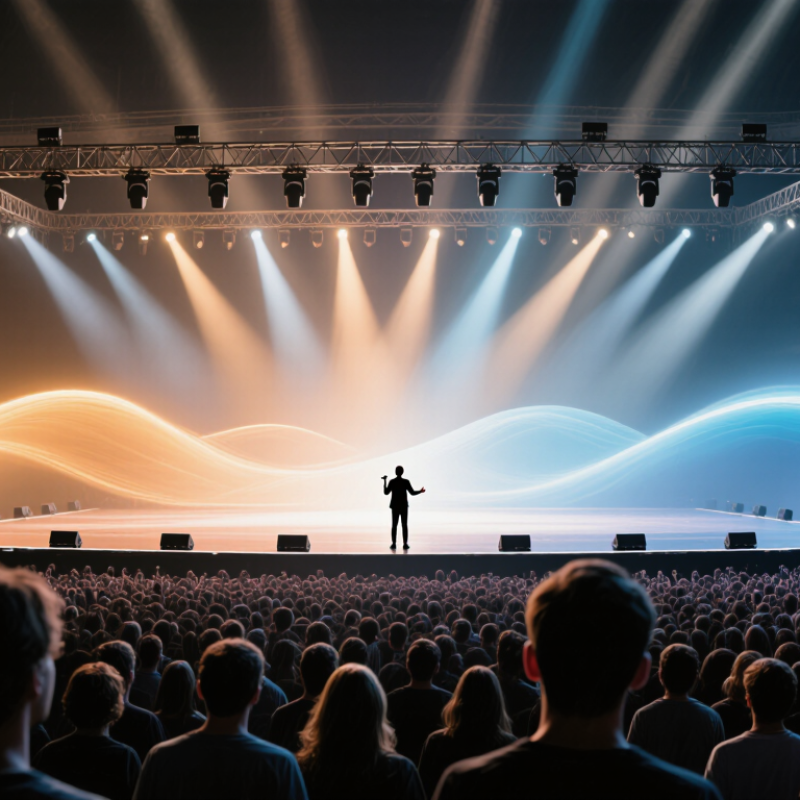
Concert lighting is a coordinated system, not just a row of bright fixtures. It includes wash lights for broad color, spotlights for performers, and beam fixtures for sharper effects. LED units can shift color quickly, while moving fixtures change direction during a song. The control console lets an operator adjust intensity, color, position, and timing. The room changes.
Power, mounting hardware, cables, and rigging are part of the system too. Fixtures are attached to suitable structures and aimed to avoid blinding performers or leaving key areas dark. A lighting designer often builds cues around the stage layout, music, and sightlines. A warm wash might soften a quiet verse; a brief white flash can mark a drum hit. Small changes matter.
During a show, the console sends control signals to fixtures, which respond to programmed cues or live adjustments. The operator watches the stage and audience, making corrections when performers move or a cue feels too strong. Lighting can also coordinate with video and sound, though perfect synchronization takes planning and testing. A setup that looks dramatic in rehearsal may feel harsh from the back row. That deserves a second look. The best design balances visual impact with clear faces, comfortable viewing, and dependable operation.
How Lighting Shapes the Mood and Meaning of a Performance
Concert lighting does more than make performers visible. It gives a song a visual point of view. A warm amber wash can make a quiet verse feel close, while a narrow white beam can isolate a singer and sharpen a lyric’s sense of loneliness. The shift should follow the performance, not compete with it. Even a brief blackout can make the next note feel larger. The room changes.
Color and contrast also guide attention. Low side lighting reveals movement and texture; a broad, even wash helps audiences read a full ensemble. In a small venue, excessive brightness may flatten faces and pull focus from the music. In a large hall, gentle transitions can help distant viewers follow changes in energy. Lighting cues work best when coordinated with tempo, lyrics, and blocking, then checked from several audience positions. Still, a cue that seems elegant on paper may feel too dramatic in the room. That deserves a second look.
Tips: Keep key performers visible, reserve strong color shifts for meaningful musical moments, and test transitions from the back rows. If every song peaks visually, no song does.
Why Is Concert Lighting Important for Live Events?
How lighting shapes the mood and meaning of a performance
How to read this: These illustrative programmed dimmer levels show how a lighting designer might shift from a restrained opening to a bright finale. Changes in intensity help distinguish quiet passages, build anticipation, and make climactic moments feel more powerful. Values are examples, not audience or venue measurements.
How Lighting Guides Audience Attention and Visibility
Concert lighting helps audiences know where to look and makes performers visible across the room. A soft wash can reveal faces and movement, while a tighter beam draws attention to a solo or a key moment. The effect is immediate. Without enough front light, facial expressions may disappear, especially for people seated far from the stage.
Good visibility does not mean flooding every surface with brightness. Strong glare can make it harder to see, and sudden changes may distract rather than guide. Lighting designers often balance front, side, and back light to show performers’ shape and movement. They also consider sightlines, stage layout, and the room’s existing light. In practice, a setup can still feel uneven from certain seats; checking views around the venue helps catch that.
Tips: Walk the room before the event, including the back rows and side seats. Watch for dark faces, bright fixtures shining toward the audience, and moments when an important performer blends into the background. Use gradual transitions when possible. Keep a simple cue plan, but leave room to adjust if the stage looks different once people and equipment are in place.
Why Is Concert Lighting Important for Live Events? — How Lighting Guides Audience Attention and Visibility
| Lighting Dimension | How It Works | Audience Benefit | Practical Consideration |
| Front light | Illuminates performers from the audience-facing direction. | Makes faces, expressions, and onstage actions easier to see. | Balance brightness and angle to avoid flat-looking faces or harsh glare. |
| Side light | Light from the sides reveals shape, movement, and body position. | Helps make dancing and other movement more legible, particularly across a wide stage. | Coordinate both sides to avoid unwanted, confusing shadows. |
| Backlight | Illuminates performers from behind and separates them from the background. | Creates clearer silhouettes and adds depth to the stage picture. | Keep bright sources out of direct audience sightlines where possible. |
| Followspot | Tracks a moving performer with a focused beam. | Directs attention to a soloist or speaker as they move around the stage. | Use smooth tracking and controlled brightness so the beam does not distract from the performance. |
| Color wash | Applies broad areas of colored light to performers, scenery, or the stage. | Helps establish mood and distinguish sections of a performance. | Highly saturated colors can change how skin tones and clothing appear; use neutral light when accurate color visibility matters. |
| Contrast and focus | Uses differences in brightness to make a selected performer or area stand out. | Guides the audience’s gaze toward the most important onstage action. | Keep essential performers visible; excessive contrast can make darker parts of the stage difficult to see. |
| Audience and aisle lighting | Provides low-level illumination in audience areas and circulation routes. | Supports safe movement without competing strongly with the stage. | Follow venue and event safety requirements, and adjust levels carefully during the performance. |
| Lighting transitions | Changes brightness, color, or focus between performance moments. | Signals changes in mood or action and helps create a coherent visual rhythm. | Make transitions intentional and coordinated with the performance so they do not obscure important moments. |
How Lighting Supports Performers and Stage Movement
Good concert lighting does more than make faces visible. It gives performers visual landmarks and helps audiences follow movement across the stage. A warm pool near a microphone stand can mark a singer’s position. A narrow side beam can reveal a dancer’s shape and footwork. For moving performers, cues should follow rehearsed paths, not guesswork. A light that arrives late can make a turn feel awkward or hide a landing. Small shifts matter. Side light adds depth, but too much contrast may obscure facial expressions. During rehearsal, check sightlines from the back rows and watch for glare.
Lighting can also help performers move confidently by making stage edges, stairs, and props easier to see. Low-level light during a set change can guide crew members without drawing focus from the performance. Color and brightness changes should give performers enough warning to adjust their pace. A brief blackout may look dramatic, but it requires clear movement marks and practiced timing. Not every cue lands. A design can feel cluttered when every musical beat triggers a change. Leaving some moments quiet gives movement room to breathe. Treat the lighting plan as a working map, then test it with performers in the actual space.
How Lighting Integrates with Sound, Scenery, and Event Safety
Why Is Concert Lighting Important for Live Events?
How Lighting Integrates with Sound, Scenery, and Event Safety
Lighting is part of a live show’s communication system, not just decoration. A warm wash can make a singer feel close; a narrow beam can draw attention to a soloist without hiding the drummer. Cues should follow musical phrasing while leaving visual space for scenery and performers. Sound and lighting teams benefit from a shared cue list and rehearsal, especially when a blackout or sudden change lands on a beat. Timing matters. Yet perfect synchronization is not always the goal; a little breathing room can make a performance feel human.
Scenery changes how light behaves. Pale surfaces reflect more, while dark fabrics absorb it, so designers should test the actual stage materials before show day. Keep glare out of audience sightlines, and avoid lighting that obscures steps, cables, or stage edges. Walk the venue from several seats, not only from the control desk. This catches problems. Safety also depends on secure fixtures, clear access routes, and backup work lights for crew movement. A dramatic cue should never leave performers guessing where to walk.
Tips: Share cue sheets with sound, stage, and safety teams. Mark cable paths and stairs with visible indicators, test transitions during rehearsal, and keep a fallback look ready if a cue fails. Note what felt awkward. That note may save time next time.
 Skip to content



 English
 Russian
 German
 Spanish
 French
 Portuguese