Why Is Fuel Tank Capacity Important for Buyers?
When buyers compare vehicles, Fuel Tank capacity can appear like a simple number on a specification sheet. In practice, it affects driving range, refueling frequency, travel planning, and everyday convenience. A larger tank may suit long-distance commuters, rural drivers, or families traveling between towns. It can reduce stops when fuel stations are widely spaced. That matters on a winter highway with children, luggage, and limited services.
However, capacity alone does not determine value. A vehicle with a 70-liter tank may travel fewer kilometers than an efficient model with 50 liters. Engine size, vehicle weight, tire pressure, road conditions, and driving habits all influence real-world range. Manufacturer figures provide a useful reference, but personal results can differ. Quite noticeably.
Experienced buyers should check the owner’s manual, official specifications, and independent road tests. They should also distinguish between total tank volume and the practical amount used before refueling. The fuel warning light is not a precise distance guarantee. It changes with vehicle design and driving conditions. I once treated a generous range estimate as certainty, which was careless. Traffic and cold weather reduced it quickly.
Fuel prices also change the financial meaning of capacity. A larger tank may allow fewer visits, yet filling it can create a heavier single expense. Buyers should compare expected annual mileage, local fuel access, and typical travel routes. The best choice is not always the biggest Fuel Tank. It is the capacity that supports reliable travel without adding unnecessary weight, cost, or anxiety.
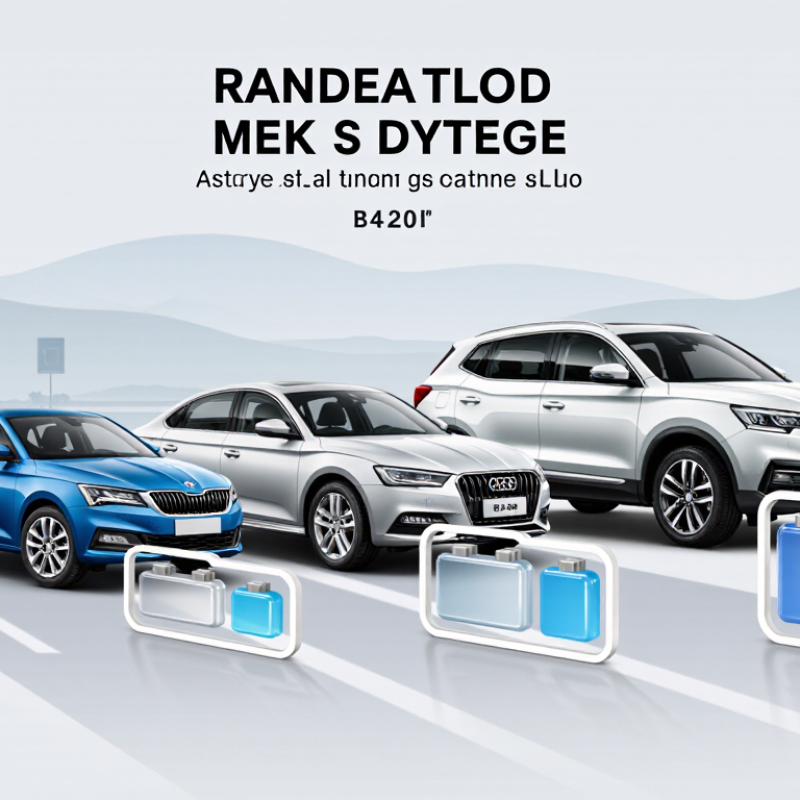
What Fuel Tank Capacity Means for Vehicle Buyers
Fuel tank capacity tells buyers how much fuel a vehicle can carry at one time. A larger tank may support longer trips between fuel stops. That matters on rural roads, highways, or areas with limited stations. It can also reduce interruptions during weekly commuting.
However, capacity alone does not determine driving range. A 60-liter tank may travel less distance than a 45-liter tank if the engine uses more fuel. Buyers should compare tank size with fuel economy, vehicle weight, traffic conditions, and driving habits. Check the official specifications, but treat them as estimates. Real-world results often differ.
Think about daily use. A small tank may be practical for city driving and lighter vehicles. It can reduce the amount spent during each refill. A larger tank may suit families carrying luggage or drivers making frequent long journeys. It also adds weight when full. That detail is easy to overlook.
During a vehicle inspection, I would check the fuel gauge, estimated range, and refill frequency. The gauge is not perfectly precise. Cold weather, heavy loads, and fast driving can shorten the expected range. An extra ten liters sounds useful, but it may not justify a higher purchase price. Buyers should measure convenience against actual travel needs, not numbers alone.
How Tank Size Affects Driving Range and Refueling Frequency
Why Is Fuel Tank Capacity Important for Buyers?
Fuel tank capacity directly affects driving range and refueling frequency. A larger tank can hold more fuel, but it does not always provide better efficiency. For example, a 50-liter tank in a vehicle using 7 liters per 100 kilometers may offer roughly 714 kilometers of range. Real-world results will vary.
Daily driving conditions matter. Heavy traffic, cold weather, steep roads, and frequent air-conditioning use can increase fuel consumption. A full tank may then last far fewer kilometers than the dashboard estimate. Larger tanks also add weight, which can slightly affect efficiency. This trade-off is easy to overlook. Buyers should consider commuting distance, nearby fuel stations, and typical travel routes. A driver covering 80 kilometers daily may value fewer stops more than a driver making short urban trips.
Tips: Compare tank size with tested fuel economy, not tank size alone. Check the estimated range under mixed driving conditions. Leave a sensible reserve, especially on remote routes. Do not depend completely on the range display, because it changes with recent driving habits. It is also useful to record fuel purchases for several weeks. That simple habit reveals actual consumption and may challenge initial assumptions. A smaller tank can be perfectly practical when fuel stations are convenient.
The Relationship Between Fuel Capacity, Vehicle Weight, and Efficiency
Fuel tank capacity matters because it changes how often drivers stop, but it also adds weight. A larger tank may extend highway range, yet carrying unused fuel increases the vehicle’s mass every day. The U.S. Department of Energy estimates that an extra 100 pounds can reduce fuel economy by up to 2%. That effect is modest, but repeated over thousands of miles, it becomes measurable.
The relationship becomes clearer in larger vehicles. The U.S. Environmental Protection Agency’s 2023 Automotive Trends Report recorded an average new-vehicle weight of about 4,200 pounds in recent model years. The same report showed average fuel economy near 27 miles per gallon. A 20-gallon tank could therefore provide roughly 540 miles under laboratory-rated conditions. Real traffic, cold weather, roof cargo, and aggressive acceleration can reduce that figure. A bigger tank does not create efficiency; it mainly increases range.
Tips: Compare usable range, not tank size alone. Check the vehicle’s rated fuel economy and calculate your typical weekly distance. If you drive 40 miles daily, a smaller tank may be practical and lighter. If you travel remote highways, extra capacity can reduce refueling stress. Still, advertised range is not a promise. Personal driving habits can overturn the calculation.
Comparing Fuel Tank Capacity Across Different Vehicle Types
Why Is Fuel Tank Capacity Important for Buyers?
Fuel tank capacity varies sharply across vehicle types. Small cars often hold about 35–50 liters, while midsize SUVs commonly provide 55–75 liters. Pickup trucks may exceed 80 liters because they carry heavier loads and travel longer distances. These figures affect refueling frequency, but capacity alone does not determine driving range. A fuel-efficient compact car may travel farther than a larger SUV with a bigger tank. Hybrids often use smaller tanks because electric assistance reduces fuel consumption. Motorcycles usually carry less fuel, though their lighter weight can preserve useful range.
In practical vehicle inspections, I compare tank size with official consumption figures, cargo weight, and typical driving conditions. Highway trips usually make better use of a large tank. City traffic can reduce the advantage through frequent acceleration and idling. A bigger tank also adds weight, and fuel costs more when filling it. I once assumed a larger capacity always meant better value. That was not entirely true.
Tips: Estimate your weekly mileage before choosing a vehicle. Divide tank capacity by real-world fuel consumption, not laboratory figures. Check the fuel gauge layout and filler position during a test drive. Families may prefer fewer fuel stops, while urban drivers may value efficiency and easier parking more. Seasonal weather matters too. Cold starts and heavy heating can reduce practical range. A careful comparison should include comfort, refueling access, running costs, and the vehicle’s usual workload.
Why Is Fuel Tank Capacity Important for Buyers?
Comparing typical fuel tank capacity across different vehicle types
Fuel tank capacity affects driving range, refueling frequency, and long-distance convenience. Larger vehicles generally have larger tanks to support higher fuel consumption, while compact and hybrid vehicles often use smaller tanks because of their greater efficiency. Values shown are representative typical capacities for each vehicle type and may vary by model and market.
Key Factors to Consider Before Choosing a Fuel Tank Size
Why Is Fuel Tank Capacity Important for Buyers?
Fuel tank capacity affects more than driving range. It influences refueling frequency, vehicle weight, available storage, and operating costs. A larger tank may seem convenient, but extra fuel adds weight even when the tank is full. That weight can slightly reduce efficiency and change how a vehicle handles.
Before choosing a size, consider your typical route, load, climate, and access to refueling stations. A commuter covering short urban distances may not need a large tank. Someone traveling through remote areas may value additional range. Check the manufacturer’s stated capacity, but remember that usable capacity can differ slightly. Tank shape, reserve space, and filling limits all matter. I have seen buyers focus on maximum range and overlook parking space or payload limits. That choice can create daily inconvenience.
Tips: Measure the available installation space carefully. Compare the tank’s full weight with your vehicle’s payload rating. Think about your longest realistic trip, not an exceptional journey. Choose compatible materials for the fuel type and operating environment. Ask a qualified technician to inspect mounting points, ventilation, connections, and clearance. Small errors matter. Keep records of the inspection and specifications. Recheck your assumptions after a week of normal use; real habits often differ from initial estimates.
Why Is Fuel Tank Capacity Important for Buyers? - Key Factors to Consider Before Choosing a Fuel Tank Size
Note: Capacity, fuel economy, and driving range vary by vehicle configuration, engine type, load, speed, weather, terrain, and driving style. The range figures are practical estimates calculated from the stated capacity and fuel-economy intervals; reserve fuel is not included.
 Skip to content



 English
 Russian
 German
 Spanish
 French
 Portuguese