...

Top 10 Cutting Tool Types for Global Buyers

Global buyers rarely choose a Cutting Tool by shape alone. Material, machine power, tolerance, coating, and delivery reliability all matter. A carbide end mill may excel in hardened steel, while a ceramic insert can suit high-speed applications. The right choice depends on the job. This guide introduces ten widely used cutting tool types across machining, fabrication, woodworking, and construction. It focuses on practical differences buyers can verify before placing an order. Edge geometry matters. So does the supplier.

Each section connects tool design with real purchasing decisions. We examine typical workpieces, compatible machines, operating conditions, service life, and maintenance needs. Buyers should compare diameter ranges, flute counts, shank standards, insert grades, and available certifications. A tool that looks inexpensive may require frequent replacement. Freight, packaging, technical support, and consistent batch quality also influence total cost. Ask for test data. Request samples when possible. Specifications deserve careful checking.

The ranking is a useful starting point, not a universal rule. A small workshop and an automotive plant will measure value differently. Even experienced buyers can misjudge performance when material grades or machine settings change. We acknowledge that limitation. Tool selection improves through trials, documented results, and honest supplier communication. The following overview aims to make those decisions clearer, safer, and more repeatable for global purchasing teams. Some applications remain difficult to classify. That is where professional advice helps.
Top 10 Cutting Tool Types for Global Buyers

Cutting Tools: Definition, Functions, and Main Classification

Top 10 Cutting Tool Types for Global Buyers

Cutting Tools: Definition, Functions, and Main Classification

Cutting tools remove material through controlled cutting, shearing, or abrasion. They shape metal, wood, composites, and engineering plastics. Their main functions include turning, milling, drilling, threading, parting, and surface finishing. A practical classification begins with cutting action: single-point tools, multi-point tools, and abrasive tools. Single-point tools support turning and boring. Multi-point tools include milling cutters, drills, taps, and reamers. Abrasive tools use bonded grains for grinding and precision finishing.

Tool materials create another important group. High-speed steel offers toughness and easier resharpening. Cemented carbide supports higher cutting speeds and longer production runs. Ceramics suit hard, heat-resistant alloys, but they can fracture under shock. Polycrystalline diamond works well with non-ferrous materials, while cubic boron nitride suits hardened steels. The U.S. Geological Survey reported approximately 81,000 metric tons of global tungsten mine production in 2023. This matters because tungsten is widely used in carbide tooling. World Steel Association data also recorded about 1.89 billion metric tons of crude steel production in 2023, showing the scale of machining demand.

Tips: Match the tool to workpiece hardness, machine rigidity, coolant access, and required tolerance. Check edge geometry before chasing maximum speed. A sharp insert may cut beautifully, then fail after one interrupted cut. My own selection rule is useful, but not perfect: production data should challenge it. Buyers should compare tool life, cycle time, surface finish, and total cost per part. ISO 513 and ISO 13399 provide useful terminology and tool-data guidance, reducing confusion across international purchasing teams.

End Mills for Milling Profiles, Slots, and Complex Surfaces

Top 10 Cutting Tool Types for Global Buyers

End Mills for Milling Profiles, Slots, and Complex Surfaces

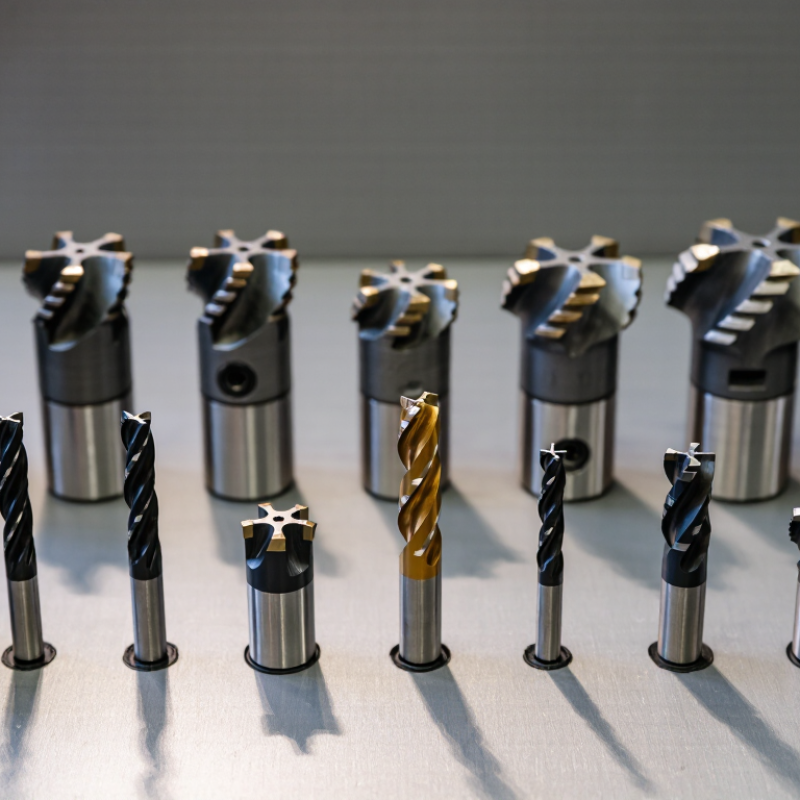
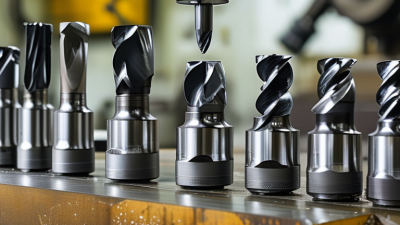
End mills are among the most versatile cutting tools for modern milling. They cut with their flutes and end faces, creating profiles, slots, pockets, and angled surfaces. A square-end mill produces sharp internal corners and clean steps. A ball-nose end mill follows curved surfaces, molds, and three-dimensional contours. Corner-radius designs reduce edge chipping during heavier cuts. They are practical choices for many machining environments.

Global buyers should match the end mill to the workpiece, machine, and toolpath. Carbide tools usually provide strong wear resistance and stable cutting at higher speeds. Aluminum may need polished flutes for smoother chip removal. Hardened steel often requires suitable geometry, coating, and controlled heat. Check diameter, flute count, helix angle, cutting length, and total runout before ordering. Small diameters reach narrow slots. Larger tools remove material faster.

I have seen excellent tools fail because of excessive stickout and weak machine rigidity. The mistake was not always the tool. A short test cut can reveal chatter, burrs, or poor surface finish before full production. Inspect slot walls under direct light. Measure runout with a dial indicator. Adjust feed, speed, coolant, or radial engagement carefully. Replace tools when wear changes dimensions, not only when edges look damaged. Perfect results are uncommon. Reliability comes from repeatable checks and honest process records.

Top 10 Cutting Tool Types for Global Buyers - End Mills for Milling Profiles, Slots, and Complex Surfaces

Rank Cutting Tool Type Primary Milling Applications Typical Geometry Common Workpiece Materials Typical Diameter Range Recommended Tool Material Common Coating Options Main Buying Considerations
1 Square-End Mill Profile milling, shoulder milling, slotting, pocketing, and general-purpose machining. Flat cutting end; commonly available with 2, 3, 4, or more flutes; variable helix options are available. Aluminum, steel, stainless steel, cast iron, and engineering plastics. Approximately 0.2–25 mm for common CNC applications. Solid carbideHSS Uncoated, TiAlN, AlTiN, TiN, or aluminum-specific coatings. Flute count, corner strength, chip evacuation, rigidity, and compatibility with the machine tool.
2 Ball-Nose End Mill 3D contouring, die and mold machining, curved surfaces, fillets, and semi-finishing operations. Hemispherical cutting end; available in standard, tapered, and extended-reach designs. Tool steel, hardened steel, aluminum, titanium, and nickel-based alloys. Approximately 0.5–25 mm ball diameter for common machining work. Solid carbideHSS TiAlN, AlTiN, DLC for selected non-ferrous applications, or uncoated carbide. Ball radius, runout, surface finish, tool deflection, effective cutting speed, and reach length.
3 Corner-Radius End Mill Heavy-duty profiling, shoulder milling, slotting, and machining features requiring stronger corners. Flat end with a defined corner radius that reduces edge chipping and improves tool strength. Carbon steel, alloy steel, stainless steel, cast iron, and titanium alloys. Approximately 1–25 mm cutting diameter; corner radii commonly range from 0.2–5 mm. Solid carbideHSS TiAlN, AlTiN, TiCN, or uncoated carbide depending on the workpiece. Corner radius accuracy, radial engagement, edge preparation, rigidity, and resistance to interrupted cuts.
4 Roughing End Mill High-volume material removal, deep pocketing, rough profiling, and pre-finishing. serrated or chipbreaker cutting edges that divide chips into smaller segments and reduce cutting load. Steel, stainless steel, cast iron, aluminum, and difficult-to-machine alloys. Approximately 4–32 mm for general industrial CNC machining. Solid carbideHSSCobalt HSS TiAlN, AlTiN, TiCN, or TiN; coating selection depends on material and cutting temperature. Material-removal rate, chip control, vibration resistance, flute profile, and coolant delivery.
5 High-Feed End Mill High-efficiency roughing, shallow-depth milling, open pockets, and large-area material removal. Small lead-angle cutting geometry designed for high feed rates and low axial cutting forces. Steel, stainless steel, cast iron, titanium, and heat-resistant alloys. Approximately 6–25 mm for common high-feed milling systems. Solid carbideIndexable carbide AlTiN, TiAlN, or other high-temperature PVD coatings. Feed per tooth, axial depth of cut, insert or edge availability, machine power, and rigidity.
6 Two-Flute Aluminum End Mill Slotting, pocketing, contouring, and high-speed machining of non-ferrous materials. Large flute gullets, high helix, and polished or highly finished flutes for efficient chip evacuation. Aluminum, copper, brass, magnesium, and other non-ferrous alloys. Approximately 1–20 mm for standard CNC work. Solid carbideHSS Uncoated polished carbide, ZrN, DLC, or other coatings designed for non-ferrous metals. Flute polish, chip evacuation, built-up-edge resistance, helix angle, and spindle speed capability.
7 Four-Flute End Mill General profiling, shoulder milling, side milling, and finishing of ferrous materials. Four cutting flutes provide a balance between productivity, tool strength, and surface finish. Carbon steel, alloy steel, stainless steel, cast iron, and tool steel. Approximately 1–25 mm for commonly used solid tools. Solid carbideHSSCobalt HSS TiAlN, AlTiN, TiCN, TiN, or uncoated options. Flute spacing, helix design, coolant access, workpiece hardness, and required surface finish.
8 Tapered End Mill Deep cavity machining, mold and die work, sloped walls, and 3D contouring. Conical cutting body with a larger shank-side diameter for increased rigidity and reduced deflection. Tool steel, hardened steel, aluminum, graphite, and composite materials. Approximately 1–20 mm cutting diameter, with taper angles selected for the cavity geometry. Solid carbideHSS AlTiN, TiAlN, DLC for selected materials, or uncoated carbide. Taper angle, effective reach, ball or flat end style, rigidity, and access to deep features.
9 Chamfer End Mill Edge chamfering, deburring, countersinking, and preparation of part edges. Angled cutting edges, commonly available in 45° and other included-angle configurations. Aluminum, steel, stainless steel, cast iron, brass, and engineering plastics. Approximately 3–25 mm tool diameter for common chamfering operations. Solid carbideHSS TiAlN, TiN, AlTiN, or uncoated options. Included angle, chamfer width, edge accessibility, burr control, and dimensional repeatability.
10 Thread Mill Internal and external thread milling, large-diameter threads, blind holes, and difficult materials. Helical cutting profile that produces threads through circular interpolation; single- and multi-form designs are available. Steel, stainless steel, titanium, aluminum, cast iron, and hardened materials within the tool specification. Approximately 1.5–32 mm tool diameter, depending on thread size and design. Solid carbideIndexable carbide TiAlN, AlTiN, TiCN, or application-specific PVD coatings. Thread standard, pitch range, minimum hole diameter, coolant delivery, CNC interpolation capability, and tool life.
Note: Diameter ranges and geometry descriptions are typical industry ranges for general CNC applications. Actual selection should be based on workpiece material, machine power, spindle speed, holder accuracy, radial and axial engagement, coolant method, and the cutting-tool manufacturer's recommended parameters.

Drills for Creating Accurate Holes in Different Materials

Choosing the right drill is essential for creating accurate holes in metal, wood, masonry, and engineered plastics. Material changes everything. Twist drills suit general metalwork, while brad-point drills help produce clean holes in wood. Masonry drills use a reinforced tip for concrete and brick. For stainless steel or hardened alloys, buyers should consider stronger drill materials, suitable point angles, and controlled cutting speeds.

Hole accuracy depends on more than the drill itself. A pilot hole can prevent wandering on smooth surfaces. Clamping the workpiece also reduces vibration and uneven edges. For larger openings, step drills offer gradual sizing with fewer tool changes. Hole saws are useful when cutting wide circular openings, but they need steady pressure and proper clearance for chips. Lubrication can reduce heat during metal drilling, although the correct fluid depends on the material and workplace requirements.

In practical use, I check the workpiece, thickness, and required tolerance before selecting a tool. I still occasionally choose a speed that is too cautious, which can create rubbing instead of cutting. That mistake is useful feedback. Inspect the hole after drilling, not only the tool before use. Buyers should also compare shank compatibility, dimensional standards, safety documentation, and replacement availability across markets. Keep it simple. A reliable drill creates clean entry points, stable edges, and repeatable results when the operator matches the tool to the job.

Turning Tools for Removing Material on Lathes

Turning tools remove material while a lathe rotates the workpiece. Their performance depends on geometry, rigidity, cutting speed, and chip control. External turning tools handle diameter reduction, while facing tools create flat ends. Boring tools enlarge existing holes, often with less stability. Grooving and threading tools need sharper control because their contact areas are narrow.

A 2024 Grand View Research report estimated the global cutting tools market at about USD 25.5 billion in 2023, with continued growth expected through 2030. That expansion reflects demand from automotive, aerospace, energy, and general machining. Carbide inserts remain widely used because they combine hardness with practical replacement. Still, material choice matters. Aluminum may need a polished edge, while hardened steel usually requires stronger geometry and controlled heat.

Small details change results. A larger nose radius can improve surface finish, but it may increase cutting force and vibration. A dull insert can leave bright marks on the workpiece. That warning is easy to miss. Coolant delivery should reach the cutting zone, not merely flood the machine enclosure. The International Organization for Standardization’s tooling classifications also help buyers compare insert shapes, clearance angles, and chip-control features across suppliers. Yet catalog data cannot replace a test cut. Workholding, machine condition, and operator judgment often decide whether a theoretically suitable tool performs well.

Top 10 Cutting Tool Types for Global Buyers - Turning Tools for Removing Material on Lathes

Representative cutting-speed midpoints for common turning tool types, shown in meters per minute (m/min).

Carbide tools are widely used for general-purpose turning, while ceramic, CBN, and PCD tools support higher-speed or specialized machining. Actual cutting speed depends on workpiece material, tool geometry, insert grade, machine rigidity, coolant, and depth of cut.

Saw Blades, Reamers, and Taps for Specialized Cutting Tasks

Top 10 Cutting Tool Types for Global Buyers

Saw Blades, Reamers, and Taps for Specialized Cutting Tasks

In production workshops, the right cutting tool controls accuracy, speed, and surface quality. Saw blades handle long cuts through steel, aluminum, wood, and engineered materials. Tooth pitch matters. Coarse teeth remove material quickly, while fine teeth reduce vibration on thinner sections. I have seen operators choose aggressive blades for delicate stock, then blame the machine for rough edges. The mistake was simple: the blade did not match the workpiece.

Reamers are finishing tools, not substitutes for drills. They remove a small amount of material and improve hole diameter, roundness, and surface smoothness. Leave enough machining allowance, but not too much. A reamer may follow a drilled hole, yet poor alignment can still create taper or chatter. Check the holder, spindle condition, coolant flow, and cutting speed before judging the tool.

Taps create internal threads with controlled geometry. Hand taps suit careful repair work, while machine taps support repeatable production. Select the tap according to thread form, material hardness, hole depth, and chip evacuation needs. Blind holes require extra attention because trapped chips can damage both tool and workpiece. Measure twice. Cut once. Even reliable data cannot replace a trial cut on unfamiliar material. Buyers should request dimensional tolerances, coating details, inspection records, and recommended operating ranges from qualified suppliers. A neat catalogue is useful, but it is not proof of performance.

en_USEnglish

PCD Inserts

PCBN Inserts

Solid CBN Inserts

PCD Milling Cutter

PCD Drilling Tools

PCD Reamer

Diamond Special Tool

Diamond Dressers