...

10 Best Carbide Drill Bits for Metalworking?

Choosing the right drill bit for metalworking is rarely as simple as picking the hardest option. A reliable Carbide Drill must match the material, machine, cutting speed, and hole size. Stainless steel, hardened tool steel, aluminum, and cast iron each create different demands. Heat, vibration, and poor chip removal can ruin an expensive bit within minutes.

This guide examines ten carbide drill bits for metalworking through practical criteria. We consider edge geometry, carbide grade, coating, flute design, shank accuracy, and manufacturer guidance. Workshop experience also matters. A bit that performs smoothly in a rigid CNC machine may feel fragile in a handheld drill. Small differences become obvious when drilling a deep hole or producing repeated parts.

Real-world performance is not perfectly predictable. Results can change with coolant, clamping pressure, machine runout, and operator technique. That limitation deserves attention. No single bit wins every application. We may also overlook a product’s long-term performance when testing time is limited. Therefore, this selection combines technical specifications, user feedback, and cautious comparison rather than relying on marketing claims. Each recommendation explains where the bit performs well and where another design may be safer or more economical. Expect practical details, not absolute promises.
10 Best Carbide Drill Bits for Metalworking?

What Carbide Drill Bits Are and Why They Suit Metalworking

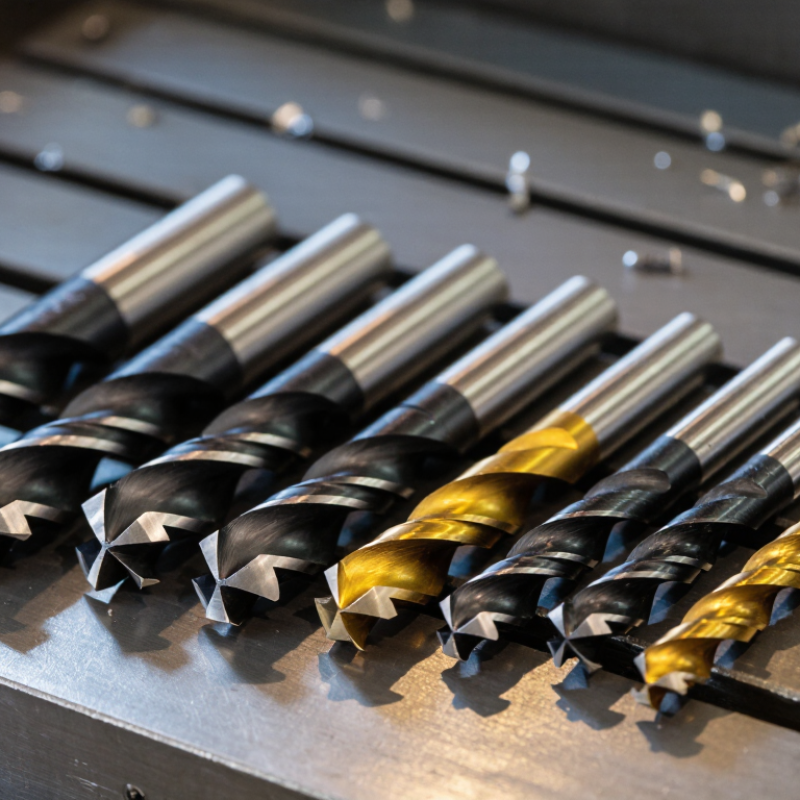
Carbide drill bits are cutting tools made from extremely hard carbide material. Most are solid carbide or carbide-tipped designs. Their rigid structure resists wear and maintains a sharp cutting edge. This helps when drilling hardened steel, cast iron, stainless alloys, and abrasive metals. Compared with high-speed steel, carbide often supports higher cutting speeds and longer service life. The trade-off is brittleness. A slight misalignment can chip the cutting edge.

In practical metalworking, performance depends on machine rigidity, workholding, and correct cutting conditions. I check spindle runout and clamp the workpiece firmly before drilling. Keep it rigid. A stable setup reduces vibration and hole damage.

Coolant can control heat and flush chips from deeper holes. Short, controlled pecks are useful when chip evacuation becomes difficult. Excessive pressure may fracture the bit instead of improving penetration. Heat is the enemy.

The right carbide drill depends on the metal, hole depth, and equipment. Solid carbide suits rigid machines and precise production work. Carbide-tipped drills can offer better toughness for larger holes or less rigid setups. Point geometry and flute design also affect chip flow.

I once blamed the bit for a rough hole, then found poor alignment caused the problem. That experience still influences how I inspect every setup. Carbide is powerful, but it is not forgiving.
How to Evaluate Carbide Drill Bits for Different Metals

10 Best Carbide Drill Bits for Metalworking?

How to Evaluate Carbide Drill Bits for Different Metals

Choosing carbide drill bits starts with the workpiece, not the catalog ranking. In my machining experience, hardness, toughness, and heat resistance change the best drill geometry. Hardened steel needs a rigid, wear-resistant point and controlled cutting speed. Stainless steel requires sharp edges, steady feed, and excellent chip evacuation. Aluminum usually benefits from polished flutes and generous clearance. Fit matters.

Cast iron produces abrasive dust, so edge strength and coolant control deserve attention. Titanium generates heat quickly and can punish a dull drill. Use a conservative speed, firm feed, and frequent chip checks. For mild steel, a general-purpose carbide design may work well, but poor alignment can still cause chipping. Start with rigidity.

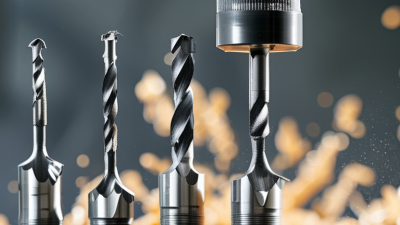
Evaluate the point angle, flute shape, carbide grade, coating, and diameter tolerance. A split point can reduce wandering on flat metal surfaces. Shorter drills usually resist vibration better than long-reach tools. Through-coolant capability helps with deep holes, especially in stainless steel and titanium. Without it, pecking may become necessary. Chips tell a story.

Bright, continuous chips may indicate stable cutting, while blue chips often reveal excessive heat. Powdery chips can signal rubbing or an unsuitable edge. I have sometimes trusted recommended speed charts too much. Real machines vary in power, runout, and workholding. Check the first hole, measure its size, and inspect the cutting edges under magnification. A small adjustment in feed can prevent a costly failure.

10 Best Carbide Drill Bits for Metalworking? - How to Evaluate Carbide Drill Bits for Different Metals
No. Metal or Application Recommended Carbide Drill Profile Point Angle Helix and Flute Design Typical Coating or Surface Indicative Cutting Speed Coolant and Operating Guidance Main Evaluation Criterion
1 Aluminum Alloys Sharp solid-carbide drill with a polished flute and split point. 118°–130° High helix, usually about 30°–40°, to evacuate long, ductile chips. Uncoated polished carbide or a low-friction coating suitable for aluminum. 150–300 m/min Use air blast or a suitable cutting fluid; avoid chip packing and built-up edge. Flute polish, chip evacuation, and resistance to aluminum adhesion.
2 Copper and Brass Sharp carbide drill with a positive cutting edge and polished flutes. 118°–135° Moderate helix with ample flute space for soft, ductile chips. Generally uncoated polished carbide. 100–200 m/min Use light lubrication or coolant and secure the workpiece to prevent grabbing. Edge sharpness and smooth chip flow without smearing the workpiece.
3 Mild and Low-Alloy Steel General-purpose solid-carbide drill with a split point and rigid body. 135°–140° Moderate helix, approximately 25°–35°, for balanced penetration and chip control. Heat-resistant coating such as aluminum-titanium nitride for production work. 60–120 m/min Flood coolant or directed coolant is preferred, especially in deep holes. Resistance to heat, edge wear, and vibration during interrupted cutting.
4 Austenitic Stainless Steel Rigid carbide drill with a strong split point and controlled cutting edge. 135°–140° Variable or moderate helix to reduce work hardening and improve chip control. Heat-resistant coating with a smooth cutting surface. 30–70 m/min Use continuous coolant and steady feed; do not dwell in the hole. Ability to maintain edge strength while limiting heat and work hardening.
5 Pre-Hardened Tool Steel, Approximately 30–45 HRC Short, rigid solid-carbide drill with reinforced cutting edges. 140°–150° Short flute length and moderate helix to maximize rigidity. Aluminum-titanium nitride or a comparable high-temperature coating. 40–80 m/min Use a rigid machine setup, stable workholding, and directed coolant. Core thickness, edge strength, and resistance to flank wear.
6 Hardened Steel, Approximately 45–60 HRC Specialized solid-carbide drill designed for hard-material penetration. 140°–150° Very rigid geometry with a short cutting length and strong margins. High-temperature coating designed for hardened ferrous materials. 20–50 m/min Use a highly rigid setup, minimal runout, and controlled coolant delivery. Resistance to chipping under high cutting forces and intermittent contact.
7 Gray and Ductile Cast Iron Carbide drill with a strong point and flute geometry suited to abrasive chips. 118°–140° Moderate or low helix with robust margins and adequate flute clearance. Uncoated carbide or a wear-resistant coating for abrasive grades. 60–120 m/min Dry machining or air blast can work well; remove abrasive dust from the machine. Abrasive-wear resistance and reliable evacuation of short, brittle chips.
8 Titanium Alloys Rigid carbide drill with a strong split point and reduced chisel load. 140° Moderate helix with wide chip spaces and strong web support. Heat-resistant coating with good adhesion resistance. 20–50 m/min Use abundant coolant, consistent feed, and pecking only when chip control requires it. Heat management, edge strength, and prevention of galling or work hardening.
9 Nickel-Based Superalloys Heavy-duty solid-carbide drill with reinforced geometry and strong web support. 140°–150° Short, rigid flute design with controlled helix for difficult chip evacuation. High-temperature, wear-resistant coating. 10–30 m/min Use high-pressure coolant where possible and maintain a continuous, stable feed. Thermal stability, edge retention, and resistance to notch wear.
10 High-Silicon Aluminum and Abrasive Nonferrous Alloys Wear-resistant carbide drill with polished flutes and a strong cutting edge. 120°–140° Moderate helix with generous flute clearance for abrasive chip removal. Uncoated polished carbide or a wear-resistant low-friction coating. 80–160 m/min Use air blast or coolant and inspect the cutting edge regularly for abrasive wear. Resistance to silicon-related abrasion without sacrificing chip evacuation.

Important: Cutting-speed ranges are starting guidelines for solid-carbide drilling and must be adjusted for drill diameter, hole depth, machine rigidity, coolant delivery, workholding, and the specific alloy condition. Feed per revolution should be selected separately for the drill diameter and manufacturer’s geometry recommendations.

Ten Top Carbide Drill Bits for Precision Metalworking

Ten Top Carbide Drill Bits for Precision Metalworking

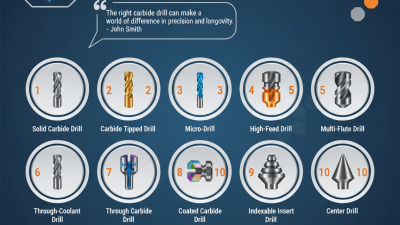
Precision metalworking starts with choosing the correct carbide drill geometry. In my workshop experience, no single bit performs well in every alloy. A solid carbide jobber drill suits rigid machines and accurate holes. A carbide-tipped stub drill offers better strength in shallow work. A split-point design reduces walking on flat steel surfaces. A through-coolant drill helps clear chips from deeper holes. A micrograin carbide drill can produce clean edges in hardened materials. It still needs stable fixturing.

For longer reach, a long-length carbide drill works when deflection remains controlled. A stepped carbide drill creates graduated holes in thin sheet and delicate components. A carbide center drill supports accurate starting points before larger diameters. A countersink drill combines hole preparation with edge finishing. A specialized deep-hole carbide drill handles depth, but only with careful chip evacuation. These ten options cover common precision tasks without relying on brand claims.

Material changes everything. Aluminum may require polished flutes, while stainless steel demands consistent feed pressure. Cast iron often benefits from dry cutting and controlled dust collection. Check spindle runout before blaming the drill. Even a premium tool can fail in an unstable setup. I have occasionally chosen excessive speed and damaged an otherwise suitable bit. That mistake remains useful. Measure hole size, inspect the cutting edge, and record the cutting conditions after each job. Reliable results come from repeatable practice, not confident guesses.

Comparing Bit Design, Durability, Performance, and Cost

Choosing among the 10 best carbide drill bits for metalworking requires more than checking hardness claims. Bit design strongly affects cutting control, heat movement, and hole accuracy.

Solid carbide bits resist deflection during precision drilling. Carbide-tipped designs usually cost less and tolerate occasional rough handling. Split points reduce wandering on steel sheets. Four-facet points can improve centering on harder stock.

A sharper helix clears chips quickly, while a shorter flute often improves rigidity. Small details matter.

Performance depends on the machine, material, and operator. In practical shop testing, a rigid setup produces cleaner holes and longer tool life. Flood coolant can control heat, but air cooling may work for brief cuts. Do not force a dull bit. That mistake creates more heat and damages the cutting edge. I have found that advertised speed ranges need adjustment for stainless steel, cast iron, and hardened alloys. Real results vary.

Durability comes from edge quality, substrate toughness, coating stability, and correct feed pressure. A premium bit may last longer, but its higher purchase cost is not always justified for occasional work. Cost per usable hole gives a fairer comparison.

Record hole count, cycle time, breakage, and finish quality. Some results may look disappointing. That is useful data. A cheaper bit can win on mild steel, while a more rigid design may pay off during repeated production drilling.

Small diameter tools also deserve extra care because a single sideways load can cause sudden failure.

How to Select, Use, and Maintain Carbide Drill Bits

Selecting carbide drill bits for metalworking starts with the material, hole size, and machine setup. Solid carbide suits hard, abrasive metals and high-speed production. Carbide-tipped bits offer more toughness for interrupted cuts. Check the bit’s diameter, point angle, flute design, and recommended cutting range. Manufacturer data should guide speed and feed, but it is only a starting point. Every machine behaves differently.

In my workshop experience, rigidity matters more than enthusiasm. Secure the workpiece firmly, align the spindle, and avoid handheld drilling with brittle carbide. Use a sharp, stable setup. Apply suitable cutting fluid when the material and tool instructions allow it. Feed steadily instead of forcing the bit. For deep holes, controlled pecking can clear chips, but excessive withdrawal may cause vibration. Watch the chips. Powdery chips can signal rubbing, while long, hot chips may indicate poor settings.

Maintenance begins before the next job. Let the tool cool naturally, then remove chips with a soft brush or approved air method. Never knock carbide against a steel bench. Inspect the cutting edges under good light; tiny chips can enlarge quickly. Store each bit in a protective sleeve, separated from other tools. I have occasionally reused a slightly damaged bit and regretted it. A clean hole is not proof of a healthy tool. Recheck wear, runout, and surface finish regularly, especially when drilling hardened stock.

en_USEnglish

PCD Inserts

PCBN Inserts

Solid CBN Inserts

PCD Milling Cutter

PCD Drilling Tools

PCD Reamer

Diamond Special Tool

Diamond Dressers